Is It Mold? Free Mold Scanner for Photos of Your Home
Upload up to three photos of a wall, ceiling, grout line or window frame. The mold scanner works as a free mold detector for photos, assessing each one for potential mold and the moisture behind it.
Fill the frame with the patch itself, about a hand’s width away.
An arm’s length back, so the tiles, sealant or frame around it show.
The whole wall, ceiling or corner, including any window, pipe or vent nearby.
For best results, add all three photos. However, a single sharp close-up still gives the scanner enough detail to assess the patch.
How to take photos the scanner can read
The scanner reads colour, texture and pattern, so a sharp, evenly lit photo carries far more detail than a dim or distant one. Three angles of the same patch give it the fine texture, the material underneath and the likely moisture source.
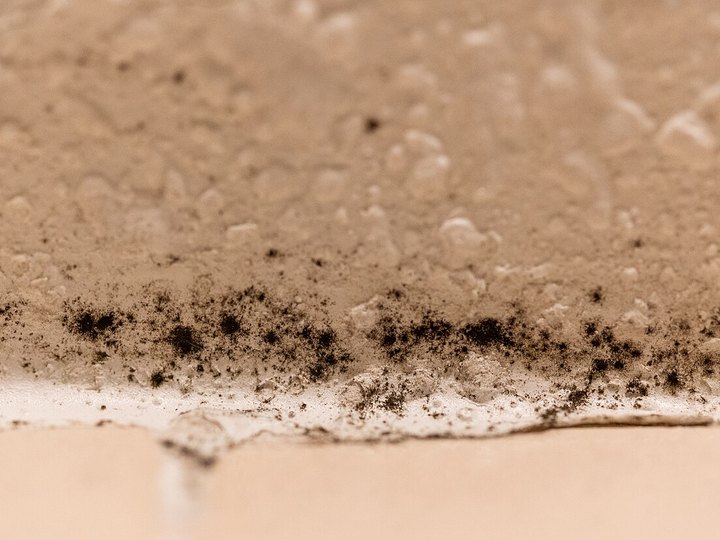
Hold the phone about a hand’s width from the patch so it fills most of the frame. Tapping the screen on the spots sets the focus where the scan needs it.
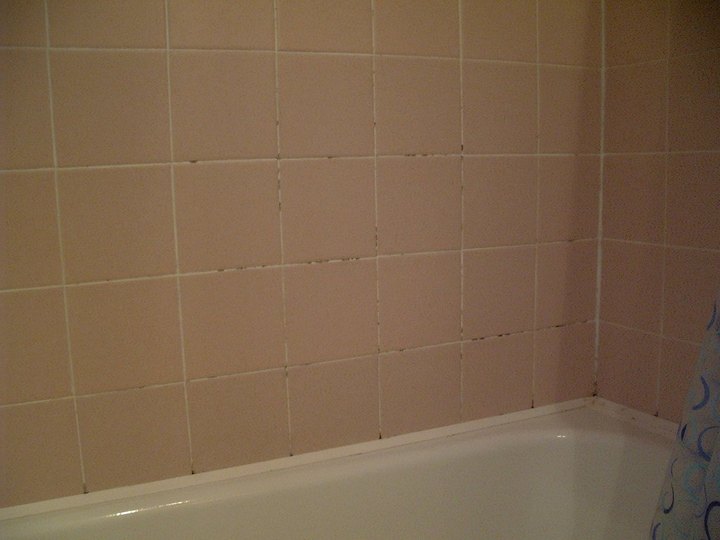
Step back to arm’s length so the grout, sealant, trim or paint around the patch is visible. This view shows which material the growth sits on.
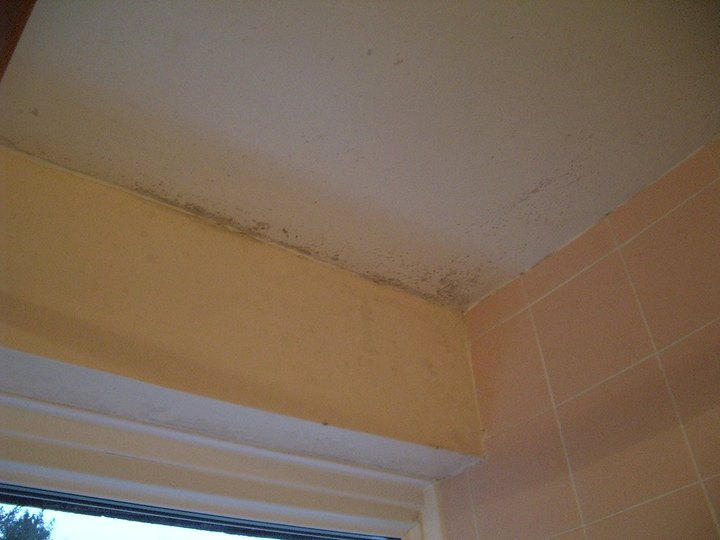
Take in the whole wall, ceiling or corner, including any window, pipe, vent or outside wall nearby. The wider view often reveals where the moisture comes from.
Daylight or the room’s main lights work best, with the flash switched off. Wiping the lens and holding the phone still for a second before you tap also sharpens the detail the scan reads.
Photos to avoid

Motion or a missed focus point smooths out the spotting and texture the scan depends on.

Low light adds grain that can hide early growth or read as spotting where none exists.
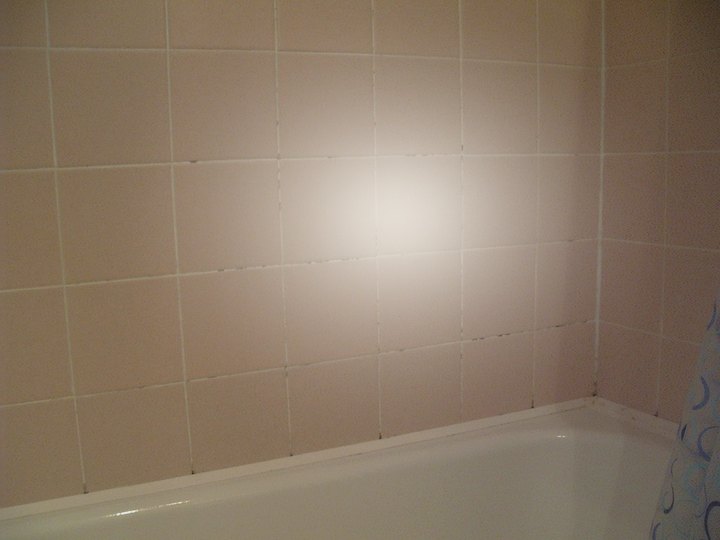
A flash bounces off tile, gloss paint and glass, bleaching out the patch at the centre of the frame.
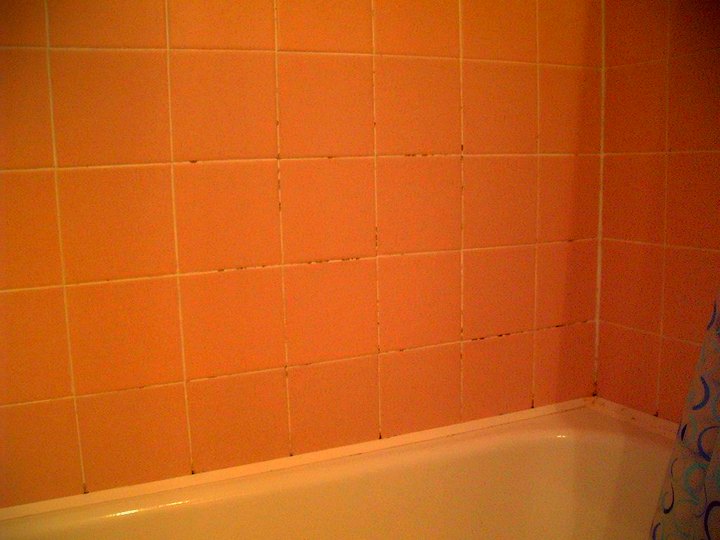
Filters, beauty modes and heavy HDR shift the colours that separate mold from staining.
Photos of people, pets, food, screenshots and photos of a screen cannot be assessed. The scanner declines them without using your daily scan, so you can retake the shot and try again.
What your mold assessment report includes
Each finding cites what the scan saw in your photos. You can save the report as a PDF to share with a landlord, a contractor or a mold inspector.
A percentage for how likely your photos show potential mold, with the evidence that moved it up or down.
Where the growth sits on a five-stage scale, from early surface spotting to growth that has damaged the material.
An area estimate from scale cues in your photos, such as tiles, sockets and window frames.
Up to four species groups the appearance matches, each with a match percentage and the features behind it.
How likely the patch is to be dirt, soot, efflorescence, water staining or bacterial film, with a simple way to tell each apart.
The visible signs of damp and the most probable cause, whether condensation, a leak or water rising through masonry.
How likely the potential mold is to add spores and, for some species, mycotoxins to your indoor air.
Prioritised steps that start with the moisture source, with protection and containment where disturbance could spread spores.
Quick tests you can run yourself to firm up the finding, such as the bleach dab, a moisture reading or a smell check.
How the mold scanner detects potential mold
The scanner runs on advanced image scanning, built on a vision system trained on millions of images, including building surfaces, damp materials, mildew and mold. It reads each photo pixel by pixel for the shifts in colour, texture and edge pattern that often mark moisture and potential growth.
Spotted clusters, halo staining, tide lines and a fuzzy or powdery surface each carry weight. So does their position relative to cold surfaces, joints and water sources, since mold follows moisture.
Before it settles on a likelihood, the scanner weighs the common lookalikes, such as soot tracking, efflorescence and water staining without growth. It then grades the growth stage and estimates the extent from scale cues such as tiles and window frames. Finally, it matches the appearance against the species groups found most often indoors.
The system behind the scanner continues to improve as its underlying image models are updated. It can still make mistakes, so its findings are best used alongside the Mold Toxin Test, which screens for the effects of mold exposure on your body.
We do not store your photos. They go to an image analysis provider under a setting that excludes storage and training, and they are deleted once your report is ready. The report itself is saved only in your browser.
Is it mold? Signs that separate mold from its lookalikes
Mold grows in colonies, so it tends to appear as spots or clusters spreading outward from a damp point. Most lookalikes form a flat, even stain, a crystalline crust or a pattern that follows heat loss.
Raised, fuzzy, velvety or powdery spots in black, green, grey, white or brown, often clustered near a moisture source. A dab of diluted bleach usually lightens it quickly.
A flat, powdery grey or white film on damp tile, fabric or sealant. Mildew is surface-level mold growth that wipes away more easily than established colonies.
An even grey or black film that smears when wiped and stays dark after a bleach dab. Soot often collects above candles, radiators and cold spots on the ceiling.
White crystalline salt on concrete, brick or plaster that crumbles to powder between your fingers. Most efflorescence dissolves when you wet it and brush it off.
A yellow or brown ring with a darker tide line and no texture. It marks a past or present leak, and mold can follow if the material stays wet.
A pink or orange slime in showers, drains and toilet bowls, usually the bacterium Serratia marcescens. It feeds on soap residue and cleans off with ordinary bathroom cleaner.
Grey stripes that follow joists, studs or nail heads across a ceiling. Warm air leaves dust on the coldest lines, so the pattern maps the framing behind the plaster.
Our mold identification guide covers what dust and lab tests add. The guides to white mold and mold versus mildew go deeper on the two most common mix-ups.
The five stages of mold growth
The stage can suggest how long moisture has been present and how far growth may have reached into the material. The scanner grades every report on the same five-point scale.
- 1No visible growth
The surface is clean or shows only dust and ordinary wear. Damp can still be present, so the moisture signs in your report carry the weight here.
- 2Early
Scattered small spots or a light bloom on the surface, with the material still sound. Cleaning and drying at this stage usually stop it.
- 3Active
Established colonies spreading across the surface, often in clusters with a faint halo. On non-porous materials the growth is still mostly on the surface.
- 4Mature
Dense coverage with a raised or fuzzy texture that suggests the colony is releasing spores. Porous materials at this stage often carry growth below the surface.
- 5Advanced
Growth together with crumbling, delamination, rot or staining through the material. Removing the affected material usually replaces cleaning at this point.
Where to scan first in your home
Mold settles where water lingers and air moves slowly. Household growth most often starts in bathrooms, window frames, basements and the other places below, each with its own moisture driver.
Shower steam condenses on the coldest part of the ceiling. The guide to mold on a bathroom ceiling covers why it returns.
Soap film and standing water feed growth along every joint. Our black mold removal spray comparison matches products to surfaces.
In cold weather, condensation runs down the glass overnight and pools on the frame by morning.
Ground moisture and cool air keep masonry damp for months. The basement mold guide separates mold from efflorescence.
Cool supply air meets humid room air at the grille. Our guide to mold in air vents traces it back into the system.
A wardrobe or bed pushed against a cold wall traps still, damp air behind it.
Spills and leaks soak into the backing, where mold in carpet grows out of sight.
The door gasket holds water between cycles. The guide to mold in a washing machine covers the fix.
A musty smell with no visible growth usually points to one of these spots out of view. The guide to tracing a musty smell follows it back to the source.
Mold testing options and where a scanner fits
A photo scan assesses a patch you can see. Air and dust sampling measure what is in the air or settled dust. An inspection looks inside walls, floors and ducts.
Assesses visible growth in minutes at no cost, with a likelihood score, growth stage and action plan. It suits any patch you can see and photograph.
Settle plates grow whatever spores land on them, and swab kits culture whatever sits on a surface. Spores are present in almost every home, so a plate that grows colonies often says little about a problem.
A technician compares indoor spore counts with an outdoor sample taken the same day. The result is a snapshot, and counts shift with weather, activity and time of day.
A lab measures the DNA of mold species in settled dust, which can reflect months of exposure.
An inspector maps moisture with meters and thermal imaging, checks cavities and ductwork, and samples where needed. A written mold assessment then sets the scope for remediation.
Scores your visual contrast sensitivity and symptoms against the pattern linked to mold exposure, including exposure from growth you cannot see.
If you already hold lab results, the mold test interpreter reads environmental panels and urine mycotoxin reports in plain language.
When to call a mold inspector
A scan and a careful clean handle most small patches. A professional mold assessment adds value when the growth is large, hidden or tied to water you cannot trace.
- The affected area is larger than about 10 square feet, the size above which the EPA points to its professional remediation guidance.
- Growth keeps returning after cleaning and drying, which points to a moisture source still active.
- A musty smell persists with no visible growth, or you suspect mold inside walls, floors or ductwork.
- The home has had a flood, a sewage backup or a leak that stayed wet for more than a day or two.
- You are buying, selling or renting a property and need documented evidence.
- Someone in the home has persistent symptoms that improve away from it.
If you book an inspection, the saved PDF shows the inspector the patch, its material and the probable moisture source.
From the room to your body
Some people react to spores, and to the mycotoxins certain species produce, with headaches, fatigue, brain fog, sinus trouble or poor sleep. Others in the same house may notice nothing.
The visual contrast sensitivity test at the heart of the Mold Toxin Test measures a function of the eye and brain that biotoxin exposure can reduce. It pairs that result with a scored symptom questionnaire, so you can see whether your pattern matches the one linked to mold toxicity symptoms.
Your scan report shows the potential mold in the room. Your test result shows whether your own pattern matches the one linked to mold exposure.
Screen yourself for the effects of mold exposure in about fifteen minutes, with no account needed.
Take the free testFrequently asked questions
Can you detect mold from a photo?
A clear photo captures much of what an inspector looks for on a visible surface, including colour, texture, pattern and position relative to moisture. The mold scanner assesses those features and returns a likelihood of potential mold. Growth behind walls or under flooring needs a moisture meter, an inspection or a lab test.
How accurate is a mold scanner?
Accuracy depends mostly on the photo. Sharp, evenly lit close-ups of distinct spotting produce the most reliable scores. Faint staining and distant photos score with less certainty, and the report explains how the photos shaped the result.
Is it mold or mildew?
Mildew is a flat, powdery film that stays on the surface of damp tile, fabric or sealant and wipes off easily. Mold tends to look raised, fuzzy or slimy and can grow into porous materials. The lookalike check in your report scores mildew alongside soot, efflorescence and water staining.
What does black mold look like?
Black mold usually refers to Stachybotrys chartarum, which forms dark, slimy to sooty patches on drywall, ceiling tiles or timber that have stayed wet for a week or more. Several other dark molds, such as Cladosporium, look similar and grow on grout and window frames.
How do I know if mold is behind a wall?
A persistent musty smell, bubbling or peeling paint, soft or stained drywall and high moisture meter readings all suggest hidden growth. A wide photo can show the staining pattern on the surface. A mold inspector can open or scope the cavity to check behind it.
Do I need a mold inspector?
Small patches under about 10 square feet on a surface you can clean are usually a DIY job. An inspector is worth calling for larger areas, hidden or recurring growth, flood or sewage water, and property sales or rentals.
What does a mold assessment include?
A professional mold assessment usually covers a visual inspection, moisture mapping with meters and often thermal imaging, and a check of the HVAC system. Air or surface samples are added where they help. It ends with a written report and a remediation scope.
Are my photos stored?
No. Your photos are deleted once the report is ready, and the report is saved only in your own browser.
How often can I use the mold scanner?
Each visitor gets one free scan every 24 hours. Photos that cannot be assessed, such as blurry or unrelated images, do not use your daily scan.
What should I do if the scan finds potential mold?
The moisture source comes first, since growth often returns to a surface that stays damp. The action plan in your report sets out the steps in order, including protection while cleaning. If you have symptoms that ease away from home, the Mold Toxin Test screens for the effects of mold exposure.
The mold scanner is a screening tool for the early detection of potential mold. It uses AI image analysis, which can make mistakes, and it assesses only what is visible in your photos. A result indicates potential mold. It does not confirm mold or identify a species, which requires laboratory analysis of a sample. The report is general information and is not medical advice.
Example photos: close-up by Tony Webster, Flickr; mid-range, wide and the four edited examples to avoid by sermoa, Flickr and Flickr. All CC BY-SA 2.0; the edited examples are shared under the same licence.