Mold in Washing Machine: How to Deal with Gasket Grows Molds
Washing machine molds can grow in one place more than any other: the fold of rubber gasket at the door of a front-loader. If you pull the lip back and find a dark grey or black ring, sometimes streaked with pink, this might be the beginning of mold growth. Sitting in a few millilitres of water that never drained, washing machines are an easy target for it. The machine that washes everything you own is the dirtiest appliance in the house, and this is why it requires more inspection.
The pink and the black are two different organisms with two different meanings, and the reason it keeps returning after cleaning has nothing to do with how hard you scrubbed.
Disclaimer: Mold and mould are the same thing, spelled differently, so mould in a washing machine and mold in a washing machine describe the same problem. This article uses the American spelling throughout.
Why front-load washers grow mold
Four design and habit changes came together over the past twenty years, and made the machine friendlier to microbial life.
The seal is the root of it, because a front-loading drum sits horizontally and has to hold water against a door, which requires a flexible rubber boot with a folded lip that acts as a trough. Water, lint, hair, and detergent residue collect in it, and gravity keeps them there once the cycle ends. Top-loaders have no equivalent, which is why they suffer far less, though their dispensers and outer tubs are not immune.
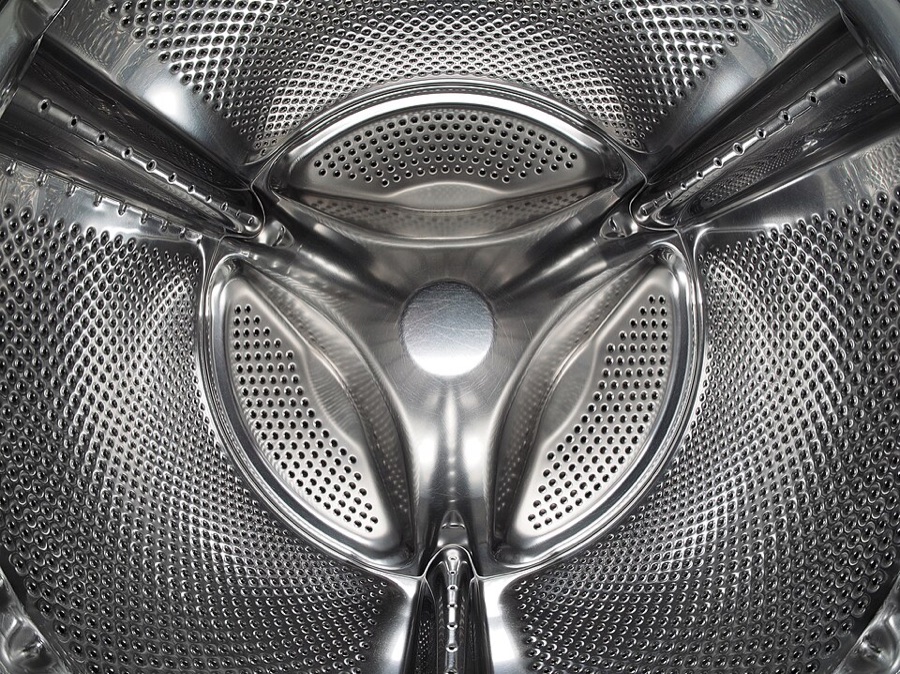
Note that the water efficiency compounds the problem, since modern machines use a fraction of what older ones did, which is good for bills and bad for rinsing, so less residue gets flushed away and what stays behind sits more concentrated.
We also have a temperature problem here because most laundry now runs at 30 degrees Celsius or on cold, which cleans fabric adequately and kills almost nothing, leaving a machine that never gets hot enough to reset its microbial population.
As liquid detergent and fabric softener leave a film that powder does not, and most households pour considerably more than the dose requires. That film is food, and softener in particular leaves a fatty residue that biofilm settles into readily.
If the machine door is kept closed between washes, the drum becomes a warm, damp, dark, nutrient-lined box.
Pink, black, or grey: what is actually growing
The colours in a washing machine gasket tell you about three different organisms, and only some of them are mold.
Pink or orange slime is not mold. It is almost always Serratia marcescens, a bacterium that thrives in damp, low-nutrient environments and produces a distinctive pink pigment. It is the same organism behind pink rings in toilet bowls and shower corners. It wipes away easily compared with fungal growth, returns quickly if the moisture stays, and is generally a nuisance rather than a hazard for healthy people, though it can cause infections in immunocompromised individuals and around wounds.

Black or dark grey growth is usually fungal. The species commonly found in washer gaskets include Cladosporium and various Aspergillus species, both of which tolerate the repeated wet and dry cycles a washing machine puts them through.
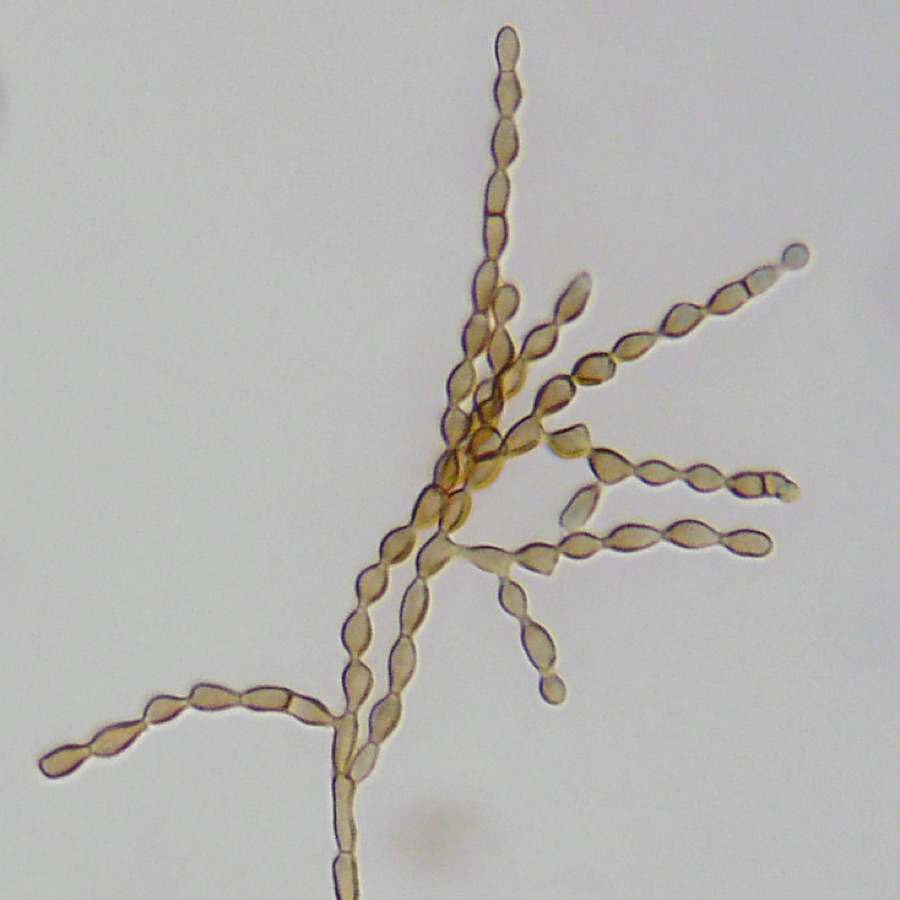
This is what people mean by black mold in a washing machine, and it is rarely the Stachybotrys that name usually implies, since that species needs continuous saturation of cellulose material rather than rubber that drains between cycles.
The grey or brown sludge underneath both is biofilm, and it is the reason the problem returns. Biofilm is a mixed community of bacteria and fungi living inside a self-produced slime matrix that sticks to surfaces and shields the organisms inside it. Cleaners that would kill free-floating microbes struggle to penetrate it, which is why a quick wipe removes the visible colour and the ring is back within a fortnight. Clearing a washing machine properly means physically disrupting that matrix rather than disinfecting the surface of it.
The four places mold hides in a washing machine
Cleaning the visible ring on the gasket and stopping there is why the problem keeps coming back.
The gasket fold is the obvious one. Pull the lip back with your fingers and look into the channel behind it, all the way around, paying particular attention to the bottom where water pools.
The detergent drawer is the second, and it is often worse than the gasket. Most drawers pull all the way out, and the cavity they sit in usually has growth on its roof where nobody has ever looked. The softener compartment is the worst part of the drawer, since that residue is the richest food source in the machine.
The drain pump filter is the one almost nobody knows about. It sits behind a small hatch at the bottom front of most front-loaders, it catches coins, lint, hair, and standing water, and it is designed to be opened by the owner. Manufacturers recommend cleaning it every few months. In practice, machines that have run for years without it being opened contain a small reservoir of stagnant, foul water.
The outer tub behind the drum is another prone area, where water and residue collect and biofilm establishes on surfaces no brush will ever touch. This is why maintenance cycles at high temperature matter, since heat and chemistry are the only things that reach there.
How to clean mold from a washing machine
Work through the machine in this order, since cleaning the drum first and the gasket second just redistributes the problem.
Open a window. Wear gloves, and an N95 if there is heavy visible growth, since scrubbing a gasket at chest height puts spores directly in your breathing zone.
Peel the fold back and wipe out the channel with a cloth soaked in your chosen cleaner, working all the way around and returning to the bottom section twice. An old toothbrush reaches the tighter creases. This step is manual and takes ten minutes; no cycle does it for you.
Remove it completely, wash it in hot water with a brush, and clean the cavity it came out of, including the underside of the roof where growth accumulates unseen.
Find the hatch at the bottom front, put a shallow tray and towel underneath because water will come out, unscrew the filter, clear the debris, and rinse it before replacing it.
Use the tub clean or drum clean setting if the machine has one, or the hottest, longest cycle available with no laundry in it. Add your cleaner of choice to the drum rather than the dispenser.
Then leave the door and the detergent drawer open so everything dries fully.
For a machine that has gone years without attention, expect to repeat the maintenance cycle two or three times over a fortnight before the smell stops returning, because biofilm behind the drum comes away in layers rather than all at once.
What to clean it with
White vinegar works on light growth and mineral residue, and it is safe for rubber. Two cups in the drum on a hot cycle, or applied undiluted to the gasket with a cloth and left ten minutes before scrubbing. It is the weakest option against established biofilm, so treat it as maintenance rather than rescue. Never combine it with bleach.
Oxygen bleach, meaning sodium percarbonate, sold as OxiClean and similar, is the best balance of effectiveness and machine safety for most people. It breaks down organic matter without damaging rubber seals, and a cup in the drum on the hottest cycle handles moderate buildup well. Check price on Amazon
Dedicated washer cleaner tablets such as Affresh are formulated to dissolve slowly through a full cycle rather than flushing away in the first few minutes, which is their genuine advantage over household products. Manufacturers commonly recommend one per month, and they are the simplest option for people who will not otherwise keep up a routine. Check price on Amazon
This is the strongest option and appropriate for a severely neglected machine, at about half a cup in the drum on the hottest cycle. It degrades rubber seals with repeated use, so it belongs in the recovery phase rather than the monthly routine, and it must never meet vinegar or ammonia.
A gasket brush with a long handle and stiff bristles reaches the bottom of the fold and the drain channel far better than a cloth wrapped around a finger. Check price on Amazon
When the gasket needs replacing
Cleaning fails at the point where growth has moved into the rubber itself rather than sitting on it. The signs are specific: staining that does not lighten after two thorough cleanings with oxygen bleach or chlorine bleach, visible pitting or cracking in the rubber, a persistent smell that returns within days of a full clean, or perished sections where the fold has begun to split.
A replacement door seal costs somewhere between $50 and $150 for the part, and fitting is a moderately fiddly job that many people manage with a manual and a couple of hours. An engineer visit adds labour to that. Given that the alternative is a machine that permanently smells and transfers that smell to clothes, replacement is usually the better economics on a machine with years of life left in it.
Getting the smell out of clothes
Laundry that comes out smelling stale has picked up bacteria from the drum, and washing it again in the same machine repeats the problem. Clean the machine first, then rewash the affected load on the hottest cycle the fabric allows with an oxygen bleach additive. A cup of white vinegar in the rinse helps strip residue from fibres.
Clothes that still smell after that have accumulated a layer of detergent and softener residue holding bacteria in the fabric. A strip wash, meaning a long soak in hot water with washing soda and oxygen bleach, clears it, though it is aggressive and unsuitable for delicates or anything with elastane. Drying laundry promptly matters just as much, since a load left damp in the drum overnight will smell regardless of how clean the machine is.
Clothes with visible spots, not only a smell, need a longer soak and a fabric-by-fabric approach, set out in the guide to mold on clothes.
Keeping it from coming back
Leave the door and the detergent drawer open between washes. This single habit does more than everything else combined, because a drum that dries fully cannot sustain growth.
Wipe the gasket fold dry after the last wash of the day. It takes fifteen seconds and prevents the pool that starts the cycle over.
Run a hot maintenance cycle monthly, at 60 degrees Celsius or above, with a cleaner in the drum. This is what reaches the outer tub you cannot see.
Use less detergent than feels right, and use powder rather than liquid if the machine has an ongoing problem. Cut fabric softener entirely in a machine that keeps growing things, since that residue feeds biofilm more reliably than detergent does.
Move laundry out promptly when the cycle finishes, and run at least one hot wash a week among the cold ones.
Machines in unheated garages and utility rooms need more attention than those in warm kitchens, since a cold appliance in a damp room takes far longer to dry between uses. If the room itself reads above 60 percent humidity, a dehumidifier sized for the space does more for the appliance than any cleaner. If the room the machine sits in smells musty on its own, the wider damp problem is worth tracing before blaming the appliance.
If the laundry room has been damp for a long time and you have had congestion, fatigue or brain fog that eases when you are away from home, the Visual Contrast Sensitivity test measures a neurological effect of biotoxin exposure. Free, in your browser, about 15 minutes.
Frequently asked questions
Is the pink stuff in my washing machine mold?
No. Pink or orange slime is almost always Serratia marcescens, an airborne bacterium that colonises damp surfaces and produces a pink pigment. It is the same growth found in toilet bowls and shower corners. It wipes away more easily than fungal growth and returns quickly wherever moisture remains.
Is mold in a washing machine dangerous?
For healthy people it is mainly an allergen and a source of odour, causing the congestion, sneezing, and irritated eyes typical of mold exposure, with symptoms most likely while loading or unloading the machine. The risk is higher for anyone with asthma or a weakened immune system. Contaminated machines also transfer bacteria to clothing, which matters most for towels, underwear, and anything washed cold.
See the symptoms associated with mold toxicityCan I use bleach to clean mold in my washing machine?
Yes, for a badly neglected machine, using about half a cup in the drum on the hottest cycle. Repeated use degrades rubber seals, so oxygen bleach is the better choice for routine maintenance. Never mix chlorine bleach with vinegar or with ammonia-based cleaners.
Why does my washing machine smell even after cleaning it?
Because biofilm behind the drum survived the clean. The outer tub cannot be reached by hand, so it requires repeated hot maintenance cycles to break down in layers. Two or three cycles over a fortnight usually clears a machine that has gone years without maintenance. A smell that persists beyond that points at the drain pump filter or a gasket that needs replacing.
Do top-loading washers get mold too?
They do, though far less in the door area, since they lack the horizontal rubber boot that traps water. Their problems concentrate in the detergent and softener dispensers, the outer tub, and beneath the agitator. High-efficiency top-loaders with low water use are more susceptible than older, water-hungry models.
How often should I clean my washing machine?
Wipe the gasket after use and leave the door open daily, run a hot maintenance cycle with a cleaner monthly, and check the drain pump filter every three to four months. Machines in damp or unheated rooms, or households running mostly cold washes, benefit from a fortnightly maintenance cycle.
Can mold in a washing machine make clothes smell?
Yes, and it is usually the first symptom people notice. Bacteria and fungal growth in the drum transfer to fabric during the wash, producing a stale odour that becomes obvious once clothes are damp with sweat. Cleaning the machine and rewashing the affected laundry hot with oxygen bleach resolves it.
Some of the links in this article are Amazon affiliate links. That means we may earn a small commission if you use them to purchase a product. It costs you nothing extra, it does not change the content, and it supports our research and development. As an Amazon Associate, we earn from qualifying purchases.
Test Yourself Against Mold Toxicity
The Visual Contrast Sensitivity test measures a neurological effect of biotoxin exposure that most people cannot notice on their own. Free, online, and under 15 minutes.