Mold on Clothes: How to Remove It and Save the Fabric
Most moldy clothes can be saved. Brushing the spots off outdoors, soaking the garment for a few hours in oxygen bleach and hot water, then washing it at the hottest temperature the care label allows clears most mold. A 60°C (140°F) wash and drying in the sun work best.
Whites that tolerate chlorine bleach can go straight into a bleach wash. Wool, silk and leather need gentler treatment. The dryer waits until the stain is gone, because heat can set it for good.
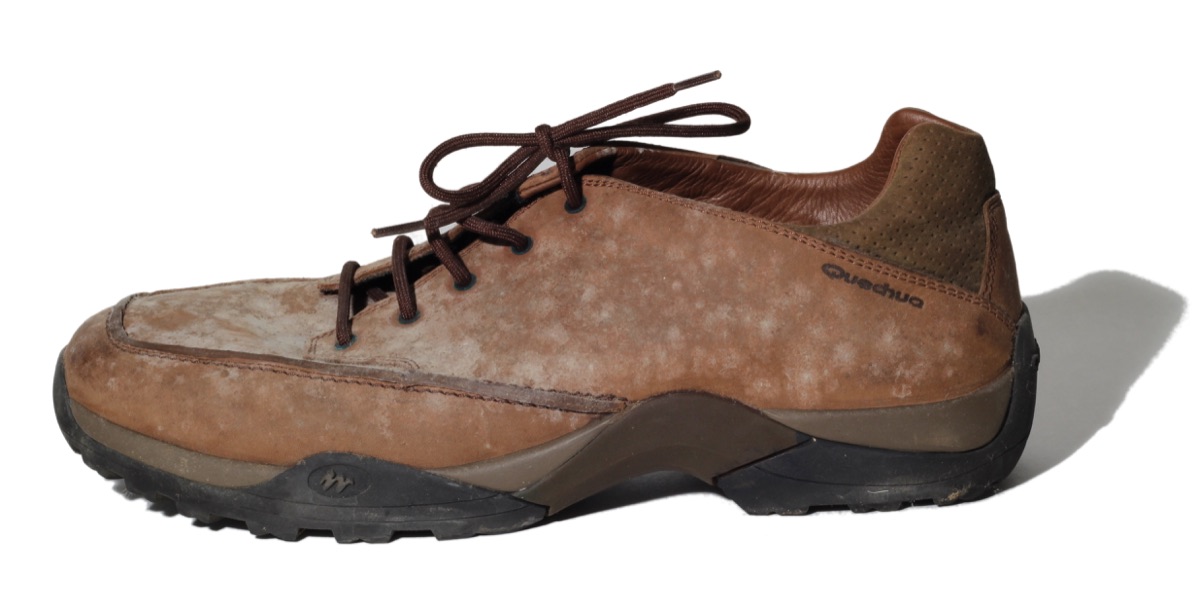
White mold spreading over a leather shoe left in a damp cupboard. Photo by Lionel Allorge, Wikimedia Commons, CC BY-SA 3.0.
Clothes take in sweat, rain and steam every day, and most of the time they dry out and go back in the wardrobe without a trace. In a humid month, or a wardrobe against a cold outside wall, some stay damp long enough for mold to grow.
You open a suitcase or a storage box and the musty smell reaches you first. Then come the spots: white fuzz along a collar, grey-green dots across a favourite shirt.
You may have already washed it once and found the smell back within a week.
But what is the right way to get mold out of clothes, so it comes out for good instead of spreading to the rest of your laundry?
Feeling unwell around damp clothes and rooms? Take the free mold toxin exposure test.15 minutesNote: Mold and mould are the same word, spelled two ways, and "fungus on clothes" or "mouldy clothes" describe the same problem. This article uses the American spelling.
How to remove mold from clothes, step by step
This way of washing moldy clothes works for most washable fabrics, including cotton, linen, denim and polyester. Wool, silk, leather and delicates need gentler handling, set out fabric by fabric further down.
- 1Take the clothes outside. A soft brush or a good shake removes loose spores and surface growth before any water touches the fabric. A mask and gloves help if you’re sensitive or handling a lot of clothes.
- 2Keep them apart. Moldy clothes go into a bag on their own until washing, away from the hamper and the clean laundry. A quick look at clothes that touched them, and anything stored in plastic nearby, catches spots early.
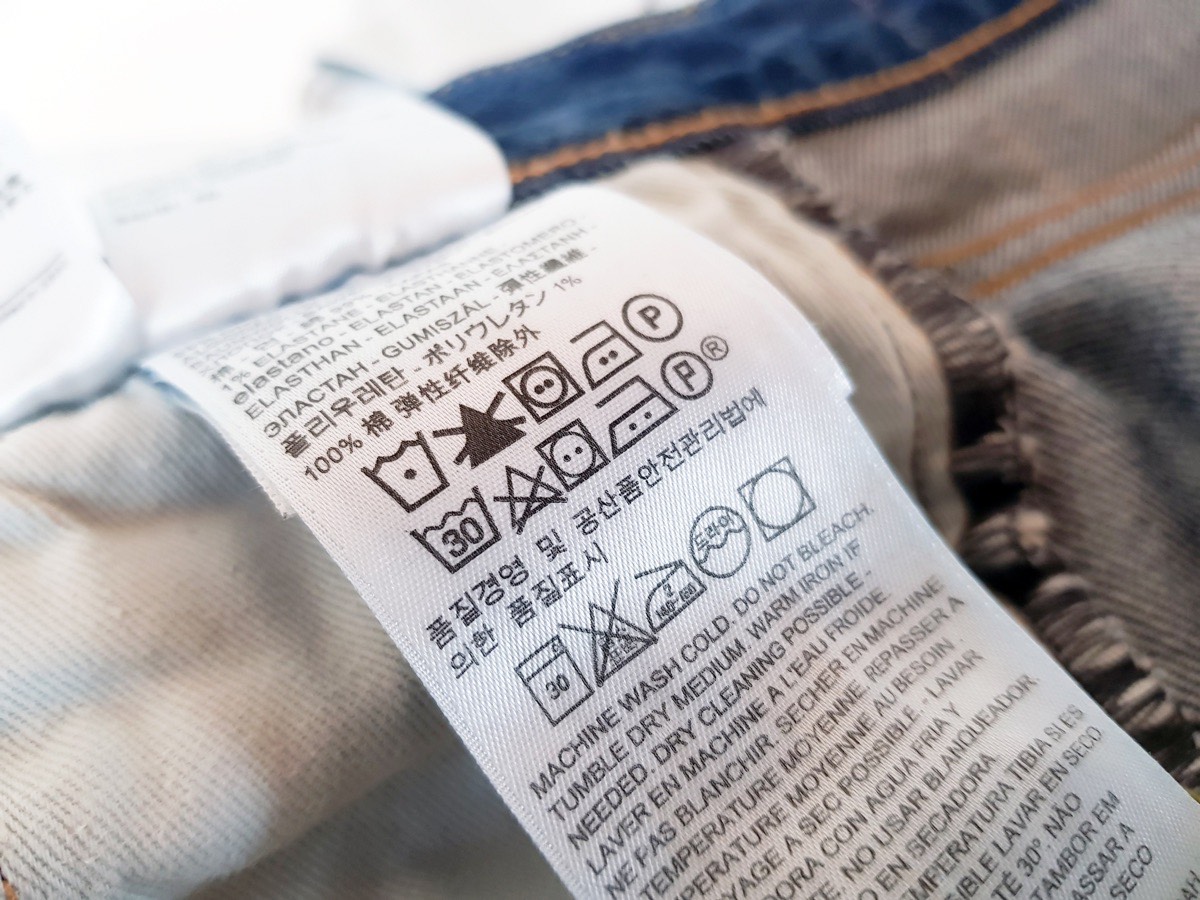
- 3Check the care label. The dots on the washtub symbol show the maximum temperature: one dot is 30°C (85°F), two 40°C (105°F), three 50°C (120°F) and four 60°C (140°F). A plain triangle allows any bleach, a triangle with two lines means oxygen bleach only, and a crossed-out triangle means no bleach. With no label, a test on an inside seam shows how the colour reacts.
- 4Pre-soak in oxygen bleach. Dissolve oxygen bleach in the hottest water the fabric allows, following the pack. OxiClean suggests about one scoop per gallon for a soak. Leave the clothes in for one to eight hours, or overnight for old stains.
- 5Wash hot, on its own. Wash the soaked clothes separately at the hottest temperature on the label, with your usual detergent. Where the label allows 60°C (140°F), use it. Cooler washes clean the fabric but leave more fungi alive.
- 6Add an extra rinse. A second rinse clears dead spores, loosened stain and leftover product from the fibres.
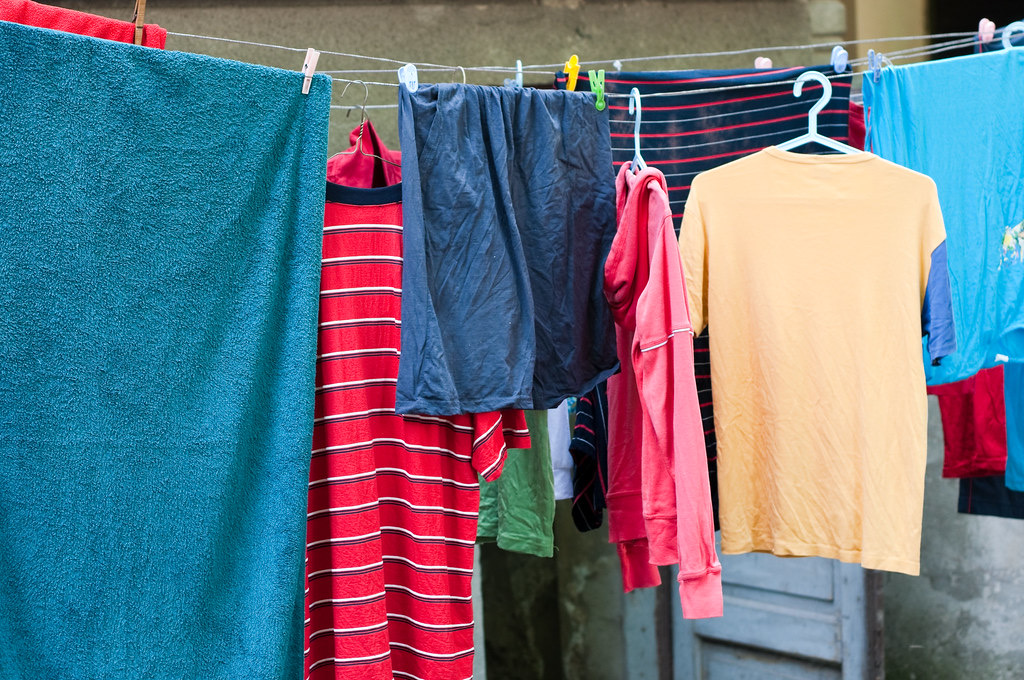
- 7Dry in the sun, or on a line in moving air. Sunlight bleaches mold stains and helps kill what’s left. Coloured clothes are best turned inside out to limit fading.
- 8Check before the dryer. If a stain still shows, repeat the soak and wash. Tumble drying a stained garment on high heat can set the mark permanently.
- 9Clean the machine afterwards. A hot empty cycle stops spores from the moldy load passing to the next one, and it clears any growth in the machine itself.
If you’re hand-washing, the same order works. The soak happens in a bucket, the scrubbing is done gently with a soft brush, and the rinse needs to be thorough, since hand-washing rarely reaches high temperatures.
Mold remover for clothes: what works
Hot water does most of the work in any wash, and the best mold remover for clothes to add to it depends on the fabric and colour.
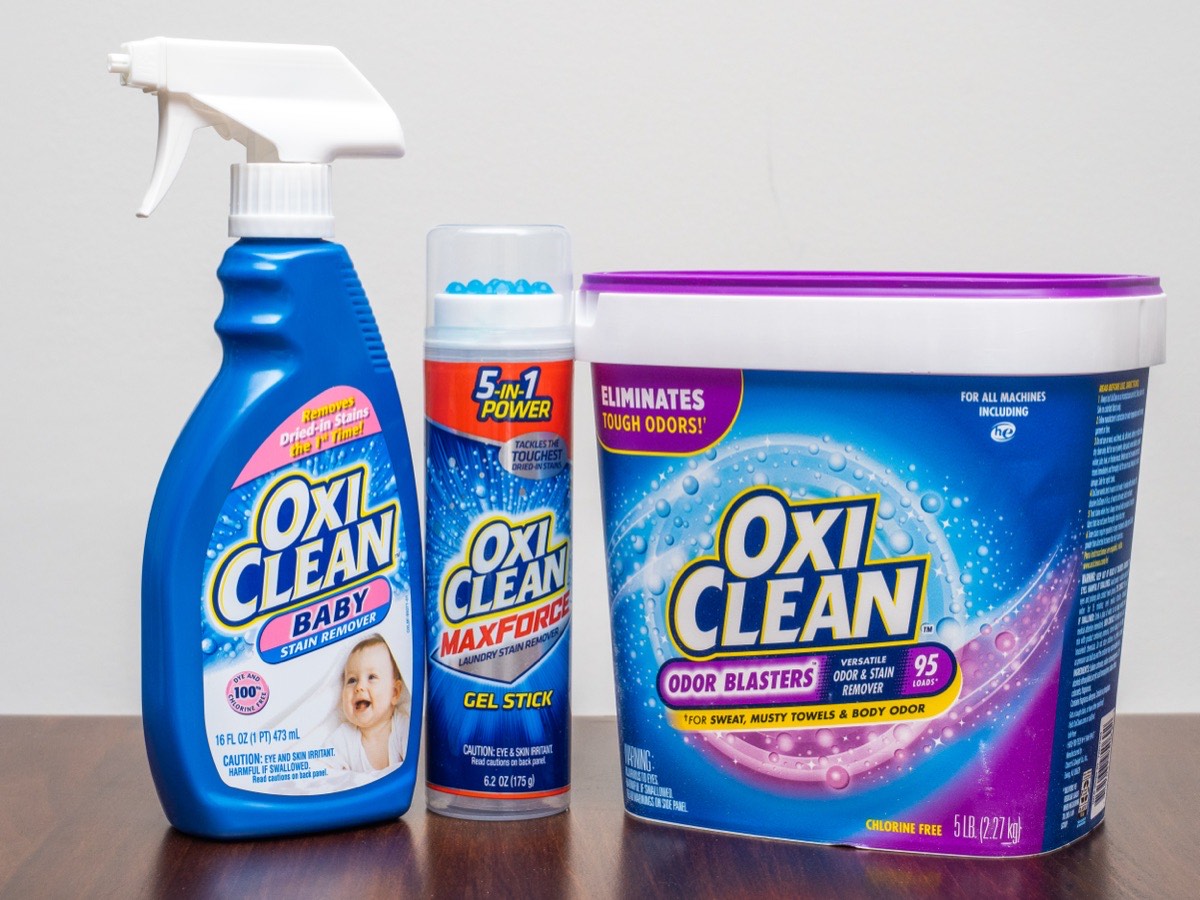
The best all-round choice for coloured clothes and whites alike. It releases oxygen in hot water, which lifts mold stains and breaks down the organic residue mold feeds on, without stripping most dyes. OxiClean and Vanish Oxi Action are common brands. It isn’t suitable for wool, silk or leather.
The strongest option for white cotton and linen that carries the plain bleach triangle. It kills mold and removes the dark staining quickly. It will strip colour, weaken wool and silk, and break down spandex, so it only belongs on bleach-safe whites.
A cup of white vinegar in the rinse cycle helps lift musty odour and loosen light mildew. It works gently on most fabrics and suits clothes that can’t take bleach. Vinegar and chlorine bleach must never go into the same load or bucket, because together they release chlorine gas.
Half a cup dissolved in hot water boosts detergent and helps with odour. It’s alkaline, so adding it alongside vinegar cancels both out, and each works better in a separate wash.
Products such as EC3 Laundry Additive are marketed to people sensitive to mold for removing spores and odour from fabric. They suit bedding and clothes for someone reacting to mold, used alongside a hot wash.
A teaspoon of tea tree oil in the wash adds a natural antifungal boost. It’s toxic to cats, so homes with one need a thorough rinse.
Useful for smell rather than killing mold. Half a cup in the wash freshens clothes that come out clean but still smell faintly stale.
How to clean moldy clothes by fabric
Every fabric reacts differently to heat and bleach, so the basic method changes a little depending on what you’re saving.
These tolerate the hottest wash. After brushing, a soak in oxygen bleach or a bleach wash at 60°C clears most mold. Sunlight finishes the job and brightens the whites.
Oxygen bleach is the safer choice here, soaked for several hours in the hottest water the label allows. Turning clothes inside out protects the colour in the wash and in the sun.
Gym clothes, leggings and sports jerseys usually say 30°C or 40°C, and heat damages the elastic fibres. An oxygen bleach soak in warm water, a wash with an enzyme detergent and a vinegar rinse work better than heat. Fabric softener is best left out, since it coats the fibres and traps odour.
Wool needs cool water, wool detergent and gentle handling, and it can’t take oxygen or chlorine bleach. A soak in cool water with a splash of white vinegar, a gentle wash and drying flat in fresh air handle light mold. Heavy growth on a good coat is a job for a specialist cleaner.
These are the most delicate. A light brush outdoors, a cool hand-wash with a mild detergent and a dilute vinegar rinse suit light spotting. For anything valuable, a professional cleaner is the safer route.
Brushing the mold off outdoors and airing the garment in the sun for a few hours comes first. It helps to tell the dry cleaner the marks are mold, so they can pre-treat the stain rather than just clean the garment.
Leather jackets, shoes, bags and belts often show mold before fabric does. A soft brush outdoors removes the loose growth. A cloth dampened with equal parts rubbing alcohol and water kills what remains, followed by a leather conditioner once it’s dry. Suede needs a suede brush and only a very light touch of the alcohol mix.
These wash hot with a fragrance-free detergent and dry fully in the sun. Many parents simply replace inexpensive items with heavy growth rather than rely on the wash.
Towels grow mold more than anything else, because they go away damp by design. A hot wash with oxygen bleach, followed by a second hot wash with a cup of vinegar and no detergent, clears the smell from most towels.
Getting the musty smell out of clothes
Clothes that come out of the wash looking clean but smelling stale still hold something in the fibres. It’s usually leftover mold, bacteria, or a buildup of detergent and softener that traps both.
A long soak in oxygen bleach and hot water, followed by a hot wash with no softener, strips most of that residue. Drying outdoors in sunlight or moving air helps more than any scented product, which only covers the smell.
When to throw moldy clothes away
Most moldy clothes can take one or two full rounds of soaking and washing before you decide. Some are past saving, and letting them go keeps mold out of the rest of the laundry.
A garment is usually done when the fabric has thinned, torn or developed holes where the mold grew. The same goes for clothes that still smell musty or show fresh growth after two or three full treatments.
Clothes soaked in floodwater or sewage need a hot wash with detergent, and the CDC advises discarding cloth items that can’t be washed in hot water. Baby clothes, bedding and anything worn close to the face are easy to replace when in doubt.
Before throwing anything out, it helps to seal it in a bag first so spores don’t spread on the way to the bin. Valuable or sentimental pieces can go to a professional cleaner who handles mold and restoration.
Mold, mildew or just a stain?
Mold on clothes shows up as spots or patches spreading out from one area, often along seams, collars and folds, in white, grey, green or black. Fresh growth sits on top of the fibres and looks slightly fuzzy or powdery, while an ordinary stain lies flat in the weave.
Mildew is an early, flat form of the same growth: a pale powder that brushes off and washes out easily. It’s the same difference that separates mildew from mold in a bathroom, where one stays on the surface and the other roots into the material.
Orange spots are often rust from water or a metal fastener, and yellow underarm marks come from sweat. Pink slime on towels is usually the bacterium Serratia marcescens, which feeds on soap residue.
Pale, fluffy white mold on stored fabric can pass for dust at a glance. If you’re unsure, the free mold detector can tell a mold patch from a stain in a photo.
Is mold on clothes dangerous?
For most people, briefly handling moldy clothes causes no harm. The concern is breathing in spores and fragments, or wearing the fabric against your skin for hours.
Mold spores are common allergens. In people who are sensitive, they can cause sneezing, a blocked nose, itchy eyes, skin irritation and asthma flare-ups. Wearing unwashed moldy clothes keeps that material next to your skin and under your nose all day.
Mold on several garments at once usually means the room itself has a damp problem, and that’s where most of the exposure comes from. A musty smell in the house that stays after the clothes are clean points to growth somewhere nearby, often behind the wardrobe on an outside wall. Dark growth spreading across the wall itself calls for black mold removal in that room, not just a wash.
The screening runs in your browser and takes about fifteen minutes from calibration to result.
Start the test nowWhy clothes go moldy and how to stop it
Mold spores settle on clothes all the time, but they only grow when fabric stays damp for a day or two and has something to feed on. Sweat, skin oils, food traces and leftover detergent all feed it, and natural fibres like cotton, linen and wool are food in themselves.
Most moldy clothes trace back to a load left in the washer, a zipped gym bag, clothes put away damp, or a wardrobe on a cold outside wall. Clothes sealed in plastic in a basement or loft are the other common case, and so is laundry dried indoors through the monsoon or a wet winter.
Stopping it means getting clothes dry fast and keeping the air around them dry.
- Dry fully before storing. Clothes put away even slightly damp start growing mold within a day or two. In humid weather, running a fan across indoor drying racks or finishing clothes with an iron gets the last moisture out.
- Empty the washer promptly. Wet laundry left in the drum is one of the most common starting points. A timer on your phone for the end of the cycle solves it.
- Keep wardrobe air moving. A small gap between the wardrobe and an outside wall lets air circulate and stops condensation forming behind it. Leaving the doors open for an hour now and then helps too.
- Watch the humidity. A cheap hygrometer shows whether the room stays above 60%. A dehumidifier brings a bedroom or closet down to the 40% to 50% range where mold struggles to grow. Moisture absorbers like silica gel or calcium chloride tubs help in small wardrobes.
- Store in breathable bags. Cotton garment bags let fabric breathe, while plastic bags and vacuum bags trap any moisture sealed in with the clothes. Everything going into long-term storage needs to be clean and bone dry first.
- Air stored clothes regularly. Taking seasonal clothes out every month or two, shaking them and airing them in the sun catches problems early, especially during the monsoon or a wet winter.
Frequently asked questions
Can you wash mold out of clothes?
Yes, most washable clothes recover. Brushing the mold off outdoors, soaking in oxygen bleach and washing at the hottest temperature the label allows clears it in most cases. Old stains may need a second round.
How do you wash moldy clothes?
Separately from other laundry, after brushing the mold off outdoors and soaking the clothes in oxygen bleach. A wash at the hottest temperature the label allows, ideally 60°C (140°F), an extra rinse and drying in the sun clear most mold.
How do you remove mold from clothes without bleach?
A soak in hot water with a cup of white vinegar, followed by a hot wash and drying in the sun, clears light mold. Oxygen bleach contains no chlorine, so it’s the next step up for heavier stains on coloured clothes.
What temperature kills mold on clothes?
A wash at 60°C (140°F) kills most mold on fabric. In a study of home-laundered socks, fungi survived on 36% of samples washed at 40°C but only 6% of those washed at 60°C. Clothes that can’t take 60°C rely more on oxygen bleach, vinegar and sunlight.
Does vinegar kill mold on clothes?
White vinegar helps with light mildew and musty smells, especially in the rinse. It’s gentler than bleach and suits delicate fabrics. For heavy growth, an oxygen bleach soak and a hot wash do more.
Can you use bleach on moldy colored clothes?
Chlorine bleach will strip the colour from most dyed fabric. Oxygen bleach is the safer choice for colours, and a patch test on an inside seam shows how the dye reacts.
What is the best mold remover for clothes?
Oxygen bleach suits the widest range of fabrics and colours, used in a long, hot soak. Chlorine bleach works best on white cotton and linen. For wool, silk and leather, gentler options such as white vinegar or diluted rubbing alcohol do less damage.
How do you remove fungus from clothes?
Fungus on clothes is mold, and it comes out the same way. Brushing it off outdoors, soaking the clothes in oxygen bleach and washing them hot clears most of it. Drying them in direct sunlight finishes the job and helps stop it coming back.
Can mold spread from clothes to other clothes?
Yes. Spores pass between fabrics that touch in a wardrobe, a hamper or a shared load. Washing moldy clothes separately and cleaning the machine afterwards stops it spreading.
Does sunlight kill mold on clothes?
Sunlight dries fabric quickly and its UV light kills some surface spores, while also fading mold stains. It works best after washing, not instead of it, and dark colours can fade with long exposure.
Is it safe to wear clothes that had mold?
Once washed and fully dried with no stain or smell left, they’re generally fine to wear. Unwashed moldy clothes keep spores against your skin and near your nose, which can irritate people with allergies or asthma.
Should I throw away moldy clothes?
Only if the fabric has thinned or torn, or the mold returns after two or three full treatments. Clothes soaked in floodwater that can’t be washed hot, and baby items with heavy growth, are usually better replaced.