Tea Tree Oil for Mold: The Proven 2% Spray and Exactly How to Use It
Do you know tea tree is a powerful, proven antifungal agent for mold?
One teaspoon of tea tree oil in a cup of water, sprayed on and left for an hour, clears surface mold from tile, grout and sealant. That mixture also happens to be one of the few natural remedies with a proper head-to-head lab result behind it.
When researchers tested five cleaning agents against the two fungi most often found in indoor air, tea tree oil beat both hospital-grade disinfectants, came in well ahead of vinegar, and left alcohol nowhere. Getting that result at home is mostly a question of where you spray it and how long you leave it.
Note: Mold and mould are the same thing, spelled differently in different English.
What mold actually is
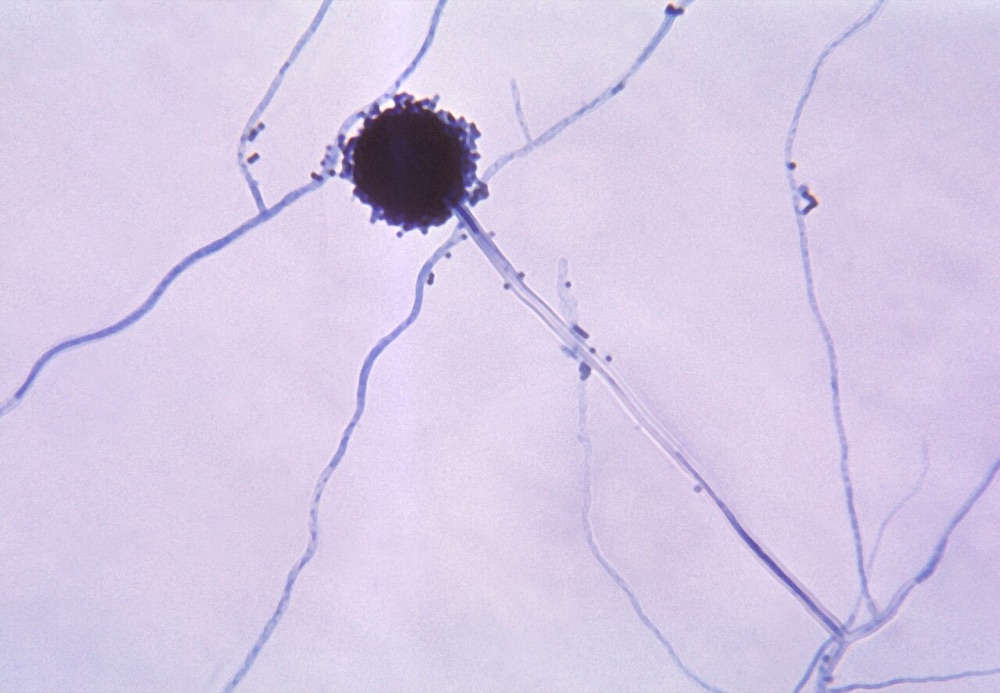
Mold is a fungus, and the fuzzy patch on your wall is only the part you can see. Underneath it sits a network of fine threads called hyphae, which together form the mycelium. Those threads are the feeding structure, pushing into whatever the mold is growing on and digesting it. The visible bloom on the surface is mostly the reproductive layer, releasing spores.
Spores are already in your home and always have been. They drift in through open windows and doors, ride in on clothes and shoes, and settle on every surface. Ordinary indoor air carries them constantly, so a spore-free house was never the goal. Keeping them dormant is.
What turns a dormant spore into a growing colony is water. Give a spore moisture, a temperature somewhere in the comfortable range most homes sit at, and something organic to eat, and it germinates. Household materials supply the food easily, since paper facing on plasterboard, wood, paint, dust, soap scum and fabric all qualify. Moisture is the only ingredient you control, and that is why every genuinely effective answer to mold ends up being about water. It is also why a persistent musty smell is worth chasing down even before anything becomes visible.
Two genera turn up in indoor air more than any other. Aspergillus and Penicillium are what researchers reach for when they want a realistic test. They are also the two that tea tree oil was measured against. Cladosporium, the dark speckling common on bathroom ceilings and window frames, is close behind.
Where mold grows in a home
Mold follows water, so looking for mold means looking for damp. These spots turn up most often, roughly in that order.
Bathrooms lead the list, because a hot shower puts a great deal of water into the air and much of it lands on cold surfaces. Look at grout lines, the silicone sealant around the bath and shower tray, the ceiling directly above the shower, window reveals, and the folds of a shower curtain.
Kitchens collect it behind and beneath appliances, and under the sink where a slow waste-pipe leak goes unnoticed for months. Check the sealant at the back of the worktop and the rubber door gasket of a front-loading washing machine.
Bedrooms hide it behind furniture pushed flat against an external wall, where air cannot circulate and the wall surface runs colder than the room. Behind the headboard and inside fitted wardrobes on outside walls are the classic spots.
Windows anywhere in the house gather condensation overnight, and the water sits in the bottom corner of the reveal and along the frame until something grows there.
Basements, cellars and crawl spaces stay cool and humid, which suits mold well, and they are checked least often.
Lofts and roof spaces show it where insulation blocks the ventilation path or where a bathroom extractor fan vents into the loft instead of outside.

Mold spread diffusely across a whole ceiling or wall usually means condensation and a humidity problem. Mold concentrated in one patch, often with a brownish ring around it, usually means a leak. Our guide to mold on a bathroom ceiling goes through that distinction in detail, and it decides whether cleaning will hold.
Why tea tree oil works on it
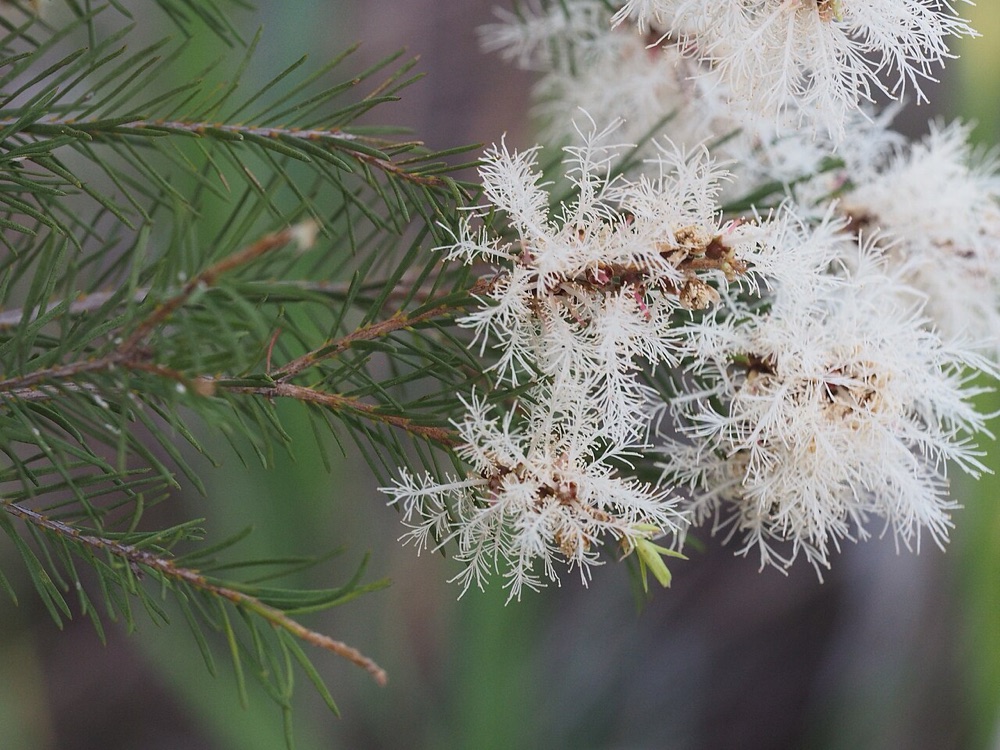
Tea tree oil is steam-distilled from the leaves of Melaleuca alternifolia, a tree native to the New South Wales coast. Its antifungal power sits mainly in one compound, terpinen-4-ol, which makes up the largest share of the oil and does most of the work.
Terpinen-4-ol dissolves into the fungal cell membrane and disrupts its structure, making the membrane permeable so the contents leak out and the cell stops functioning. Studies looking at treated Aspergillus under magnification found the cells wrinkled, collapsed and punctured, with oxidative stress and mitochondrial damage inside them. This is destruction of the organism rather than a surface bleaching, which is the difference between mold that stays gone and mold that looks gone.
In 2015, researchers publishing in the International Journal of Environmental Research and Public Health sampled real indoor air, isolated Aspergillus fumigatus and Penicillium chrysogenum from it, and tested five agents against those two fungi side by side.
| Agent | Inhibition zone | Notes |
|---|---|---|
| Tea tree oil | 83 mm against A. fumigatus, 43.5 mm against P. chrysogenum | The largest of anything tested, matching the phenol positive control on Aspergillus |
| Virkon | 19.25 mm | Only at ten times its recommended strength |
| Cavicide | 16 mm | Undiluted |
| White vinegar | 15 mm against P. chrysogenum | No measurable effect on A. fumigatus |
| 70% ethanol | None | No effect on either fungus |
Tea tree oil won on both. The authors concluded it was the most effective agent tested and suggested it may have real application in remediating buildings.
The 2% spray, step by step
That is roughly 5 ml of oil to 240 ml of water, giving you a 2% solution. A glass spray bottle is worth using, since undiluted essential oil degrades some plastics over time.
Oil and water separate within seconds, and a bottle left standing will spray you mostly water. Skip the shake and you have essentially misted the wall with water.
If you are about to disturb visible growth, an N95 mask is worth wearing too, because scrubbing sends spores into the air directly in front of your face.
Cover the visible growth and a hand's width beyond its edge, since the mycelium usually extends further than the colour does.
This is the step most recipes get wrong by telling you to wipe after a minute. Terpinen-4-ol needs contact time to work through the cell membranes, and wiping early removes it before it has done anything. An hour is the minimum and longer is better, so many people spray in the evening and wipe the following morning.
A dry surface is a surface that cannot restart the problem.
A light residue keeps inhibiting regrowth for a while afterwards, which is a genuine advantage over water-based cleaners. Given that the lab protection faded around the two-week mark, a light preventive spray on the same schedule keeps the surface ahead of it.
Surface by surface
Tile and grout. Where tea tree oil performs best. Grout is porous enough to hold growth in the lines but shallow enough that a soaked hour reaches it. Spray, wait, then work the lines with an old toothbrush before wiping.
Silicone sealant. Takes a little more patience. Where the black is inside the silicone rather than on it, lay strips of kitchen roll along the bead and spray them until saturated. Leaving that compress in place for several hours keeps the oil in contact instead of running off. Sealant that stays stained after two attempts has growth through the full thickness and is better cut out and replaced.
Glass, mirrors, sealed worktops, metal and plastic. Straightforward, since nothing penetrates and a single treatment usually finishes the job.
Painted walls. Hold up well if the paint is sound and the growth is surface condensation mold. Test an inconspicuous corner first, because tea tree oil can lift some emulsions. Where the paint is peeling or the plaster behind it feels soft, water has been in the wall and cleaning the surface will not fix it.
Washing machine door seals. Respond nicely, and the rubber tolerates it well. Pull the fold back and treat the channel underneath, which is where the growth actually lives.
Shower curtains and fabric. Add a teaspoon of tea tree oil to the wash. It handles the smell and light surface growth, though heavily embedded mold in fabric rarely comes out entirely.
Bare wood. Takes it, but expect to reapply. Wood is porous enough that hyphae run deeper than the spray reaches.
Plasterboard, ceiling tile, insulation, carpet underlay. Where surface treatment stops making sense, since growth roots through the material and regrows from inside within weeks. These want removal rather than cleaning.
Our guide to mold in a washing machine covers the drawer and drain filter too, and the black mold remediation guide walks through removing material that has growth rooted inside it.
Tea tree oil compared with vinegar, baking soda and bleach
| Agent | What it is | Best for | Residual effect |
|---|---|---|---|
| Tea tree oil | A genuine antifungal that destroys the cell membrane | Stubborn spots on tile, grout, sealant and seals | Yes, for around two weeks |
| White vinegar | Mildly antifungal, effective on some species and not others | Routine everyday wipe-downs, and homes with cats | No |
| Baking soda | A mild abrasive and deodoriser rather than an antifungal | Scrubbing growth off mechanically and clearing smell | No |
| Hydrogen peroxide 3% | A genuine antifungal that breaks down quickly | White grout, where the mild bleaching helps appearance | No |
| Chlorine bleach | Surface-acting, and its water content soaks into porous material | Non-porous surfaces only, and never mixed with anything | No |
White vinegar is the cheapest option and it does real work, though the 2015 study puts a useful limit on it. Vinegar inhibited Penicillium and had no measurable effect on Aspergillus, so it handles some of what grows in your bathroom and not all of it. It costs a fraction of tea tree oil, carries no pet risk, and makes a sensible everyday wipe-down.
Baking soda is not really an antifungal. It is a mild abrasive that lifts growth mechanically and absorbs odour, and it deodorises well after the fact. Use it as the scrubbing partner rather than the killing agent.
Hydrogen peroxide at 3% is a genuine antifungal and a reasonable alternative, particularly on white grout where its mild bleaching helps the appearance. It breaks down quickly, so it leaves no residual protection.
Chlorine bleach looks decisive and often is not. On porous material its active chlorine stays on the surface while the water content soaks in. You are left with a clean-looking face over growth that is still alive underneath. It also cannot be safely mixed with other cleaners.
Professional remediation answers a different question altogether, since it removes contaminated material and corrects the conditions rather than treating a surface. Our guide to natural black mold removal compares the household options in more depth.
Mixing tea tree oil and vinegar
Combining them is popular advice, and for once the popular advice has a reason behind it. Tea tree oil was strongest against Aspergillus, while vinegar worked on Penicillium and not Aspergillus. The two cover different organisms, and a household patch of mold is rarely a single species.
For a combined spray, mix half a cup of white vinegar, three quarters of a cup of water and around 20 drops of tea tree oil in a glass bottle. Shake it before every use, because vinegar does not emulsify oil and the two will separate just as readily as oil and water alone.
If the smell puts you off, a few drops of clove or eucalyptus oil soften the medicinal edge without weakening the mixture. Both have antifungal activity of their own.
Using a diffuser for airborne spores
That same 2015 study tested tea tree oil as a vapour as well as a liquid. That makes it one of the few pieces of real evidence behind the diffuser advice.
Vapour worked. Against Aspergillus fumigatus it produced a mean inhibition zone of 81 mm, very nearly matching the 83 mm from direct contact. Against Penicillium chrysogenum it managed 20.6 mm, noticeably weaker than the 43.5 mm from liquid application.
So running a diffuser with tea tree oil in a damp bathroom is a reasonable supporting habit, and it is not a substitute for wiping surfaces. The vapour effect also faded over the two-week observation, and diffusing into a room is a far more dilute proposition than a sealed petri dish. Treat it as maintenance between cleans, and keep it out of rooms where pets spend time.
Buying an oil that actually works
Not all tea tree oil performs the same, and the difference is measurable rather than a matter of branding.
ISO 4730, the international standard, sets a minimum of 30% terpinen-4-ol and a maximum of 15% cineole. Terpinen-4-ol is the compound doing the antifungal work, so more of it is better. Cineole is the harsher, more irritating fraction, so less of it is better for your skin.
Look for a label that states the terpinen-4-ol percentage or references ISO 4730, and treat oils that state neither as an unknown quantity. Buy amber or cobalt glass, since light degrades the oil, and check that the bottle names Melaleuca alternifolia specifically. Products labelled only as "tea tree fragrance" contain no meaningful active compound.
Stored in a cool dark cupboard with the cap tight, a bottle keeps its potency for one to two years. Oxidised oil smells sharper, works less well, and irritates skin more.
Keeping pets and people safe
This is the part most tea tree oil articles skip, and it matters more than the recipe.
An ASPCA Animal Poison Control Center review of 443 cases of tea tree oil toxicosis in dogs and cats found signs appearing within 2 to 12 hours and lasting as long as 72 hours. Those included drooling, lethargy, loss of coordination, tremors, partial paralysis and central nervous system depression. As little as 7 to 8 drops of undiluted oil has been linked to deaths in both species.
Practical version: keep animals out of the room until every surface is completely dry, and never treat a surface a cat walks on, jumps onto or sleeps against. Skip the diffuser in any room a cat or dog uses, and store the bottle where it cannot be knocked over.
For people, the risks are smaller and worth respecting. Tea tree oil causes allergic contact dermatitis in some, so wear gloves. Never swallow it. Ventilate while you work, keep it away from young children, and if you are pregnant or breastfeeding, run it past your midwife or doctor first.
When tea tree oil is the wrong tool
There are situations where reaching for a spray bottle costs you time you would rather have spent on the real problem.
Growth spanning more than about 10 square feet is the point at which the EPA's guidance on mold cleanup suggests bringing in professional help, and it is a sensible line to hold.
Mold that keeps returning to the same patch within weeks is telling you about water rather than about your cleaning. Something is leaking, condensing or wicking, and until that is found, every treatment is temporary.
Growth inside walls, under flooring or in an HVAC system sits beyond what a surface spray can reach. The same goes for any material that has been soaked and stayed soaked.
If anyone in the house has developed symptoms that improve when they leave the property and return when they come back, that pattern is worth taking seriously. The symptoms linked to mold exposure cluster in recognisable ways, and our free VCS test screens for the visual contrast deficit associated with biotoxin exposure in about fifteen minutes.
Where exposure has already affected someone, cleaning the surface is only the first half of the job. Our mold detox protocol sets out what comes after the building is dealt with, in the order that makes it work.
The screening runs in your browser and takes about fifteen minutes from calibration to result.
Start the test nowStopping mold from coming back
Killing what is there buys you time. Keeping it away is about the moisture, and a handful of habits do most of the work.
Hold indoor humidity between 30 and 50%. A cheap hygrometer tells you where you stand, a correctly sized dehumidifier closes the gap in rooms that run damp, and an air purifier suited to mold lowers the spore count in the meantime.
Run the bathroom extractor fan during every shower and for twenty minutes afterwards, and check it actually vents outside rather than into the loft. Where there is no fan, opening the window and closing the bathroom door does a surprising amount.
Wipe down shower walls and screens after use. Thirty seconds with a squeegee removes the water that would otherwise be feeding something by Thursday.
Leave a gap between furniture and external walls so air can move behind it, and leave wardrobe doors ajar occasionally on outside walls.
Fix leaks the day you find them, given that 24 to 48 hour window before growth starts.
Keep a bottle of the 2% spray under the sink and mist the usual trouble spots every couple of weeks. Since the lab protection faded around day 14, that rhythm matches what the oil actually does.
Common questions
Does tea tree oil really kill mold?
Yes. A 2015 study tested five agents against Aspergillus fumigatus and Penicillium chrysogenum isolated from indoor air. Tea tree oil produced the largest inhibition zones of anything tested, beating two hospital disinfectants, vinegar and 70% ethanol. It works by breaking down the fungal cell membrane so the cell contents leak out.
What is the tea tree oil to water ratio for mold?
One teaspoon to one cup of water, roughly 5 ml to 240 ml, giving a 2% solution. Shake it before every spray, because the oil separates within seconds of standing still.
How long do you leave tea tree oil on mold?
At least an hour, and overnight is better. The oil needs contact time to penetrate the cell membranes, so wiping after a minute removes it before it has worked. Do not rinse afterwards, since the residue keeps inhibiting regrowth.
Does tea tree oil kill black mold?
On hard surfaces it kills what it touches, including the species commonly called black mold. What it cannot do is reach growth rooted inside plasterboard, insulation or soaked wood, which is where serious black mold usually lives. Those materials need removing rather than treating.
Can you mix tea tree oil and vinegar for mold?
Yes, and there is a reason to. Vinegar inhibited Penicillium but not Aspergillus in testing, while tea tree oil handled both, so together they cover more of what actually grows in a home. Use half a cup of vinegar, three quarters of a cup of water and about 20 drops of oil, and shake before each use. Never mix either with bleach.
Is tea tree oil better than vinegar for mold?
As an antifungal, yes, by a clear margin in direct comparison. Vinegar is far cheaper, safe around pets and good enough for routine wiping, which makes it the sensible everyday default with tea tree oil as the upgrade for stubborn spots.
Is tea tree oil safe for pets?
No, and cats especially. A review of 443 cases found drooling, lethargy, loss of coordination, tremors and partial paralysis in dogs and cats. As little as 7 to 8 drops of undiluted oil has been linked to deaths. Cats lack the liver enzyme needed to clear it. In a home with cats, use vinegar or 3% hydrogen peroxide instead.
Does the tea tree oil smell go away?
It is strong for a day or two, then fades. Ventilating while you work and afterwards speeds it up considerably. A few drops of eucalyptus or clove oil in the mix soften the medicinal note without weakening it.
Can you use tea tree oil on walls?
On sound painted walls with surface growth, yes, though test a hidden corner first since it can lift some emulsions. Where paint is peeling or plaster feels soft, water has been in the wall itself, and treating the surface will not solve it.
How often should you reapply it?
Every couple of weeks on spots that keep returning. Laboratory protection began fading and sporulation reappeared around day 14, so a fortnightly light spray keeps you ahead of regrowth while you deal with the moisture behind it.