Mold in Car: How to Get It Out of the AC, Carpet and Seats
A musty smell when the AC starts comes from mold on the evaporator behind the dashboard. Clearing the drain tube, foaming an evaporator cleaner through the system and fitting a new cabin air filter fixes it in many cars.
Mold in car carpet usually lives in the padding underneath. The carpet needs lifting, cleaning with white vinegar or 3% hydrogen peroxide, and one to three days of drying. Finding the leak comes first, or the mold returns.
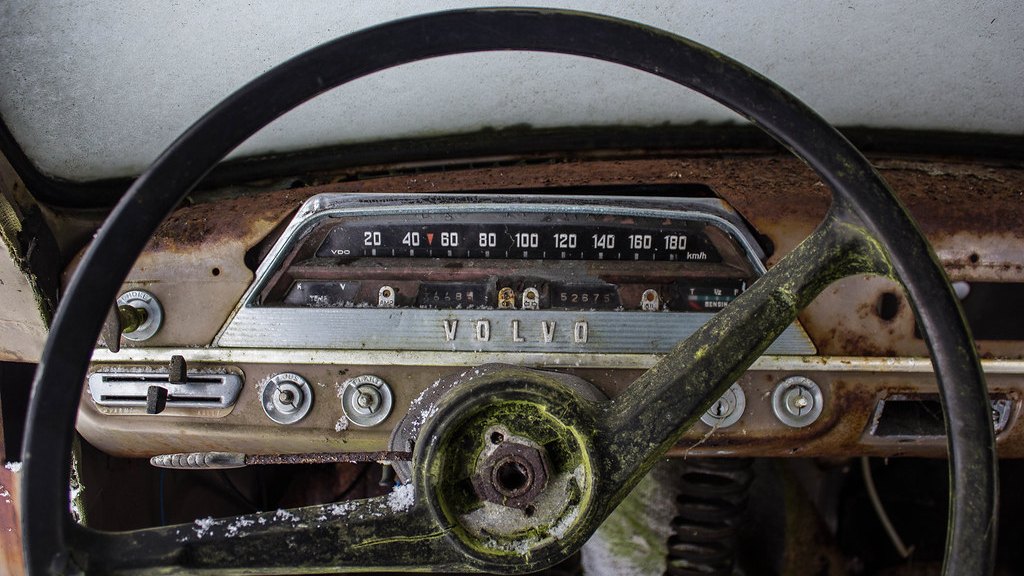
Growth on a steering wheel in a car left shut in the damp. Photo by olavXO, Flickr, CC BY 2.0.
A car spends most of its life shut tight, often in the sun, with damp shoes, wet umbrellas and the odd spilled drink sealed inside. Warmth, trapped moisture and still air are what mold needs. Once a car gets wet, growth can start within a day or two.
It usually shows up as a smell before anything is visible. A sour, dirty-sock smell blows out of the vents when the AC starts, or an earthy odour rises from the footwell on a warm morning. Under the floor mat, the carpet may feel cold and wet days after the last rain.
In a cabin that small, you breathe whatever the vents and carpet release for the whole drive. Sneezing, a blocked nose or a headache that starts on the commute and fades at your desk can all come from mold in the car.
Mold in a car grows mostly on the AC evaporator and in the padding under the carpet. From there it spreads to seats, seat belts and the trunk as the damp does.
You may have hung a new air freshener, sprayed something into the vents or shampooed the carpet, and found the smell back within a week.
But can a spray and a vacuum get rid of mold in a car, or is it growing somewhere you cannot reach? Mold on the surface cleans off in an afternoon. Mold on the evaporator or in soaked padding keeps returning until the water feeding it stops. Finding that water is where lasting car mold removal starts.
Headaches or a blocked nose on every drive? Take the free mold toxin exposure test.15 minutesNote: Mold and mould are the same word, spelled two ways. This article uses the American spelling.
Why mold grows in a car
Mold spores drift into every car through open doors, the fresh air intake and on clothes. They stay dormant until they meet moisture and something to feed on, and a closed car offers both.
Dust, skin flakes, crumbs and spilled drinks give mold plenty to eat. A car parked in the sun turns warm and humid inside, and that moisture condenses on cold glass, bare metal and the AC coil once the temperature drops.
The species are the same ones found in damp homes, led by Cladosporium, Penicillium and Aspergillus. Some car carpet padding is made of jute, a plant fibre, which gives the dark Stachybotrys often called black mold something to grow on when it stays soaked.
Signs of mold in your car
Mold in a car tends to show itself through smell and damp well before you see any growth.
A musty smell that hits when the AC or fan starts, then fades after a few minutes, points to the evaporator. The smell is still there, but your nose adjusts to it within minutes.
An earthy, mildew odor in the car that gets stronger after rain or on warm mornings usually comes from the carpet and padding.
Windows that fog on the inside and take a long time to clear show the cabin air is holding a lot of moisture. That often points to a wet floor.
When mold inside a car is suspected, pressing a hand into the carpet at the door sills and under the mats is a quick check. Cold, damp fibres or a tide mark on the carpet edge mean water has been sitting there.
Visible growth comes later. It shows up as white or green fuzz on fabric seats, black dots on seat belts, grey patches on the headliner or a powdery film on leather. Soft white growth is common in cars that sat unused, and white mold can be easy to mistake for dust.
Mold in car AC
The smell that blows out when the AC starts usually comes from behind the dashboard, where the cabin air passes over the evaporator.
The evaporator is a small radiator that runs cold whenever the AC is on. Warm cabin air crosses it, and moisture in that air condenses on the fins like water on a cold glass. The water drips into a pan and leaves through a rubber drain tube under the car. That tube makes the puddle you see beneath a parked car on a hot day.
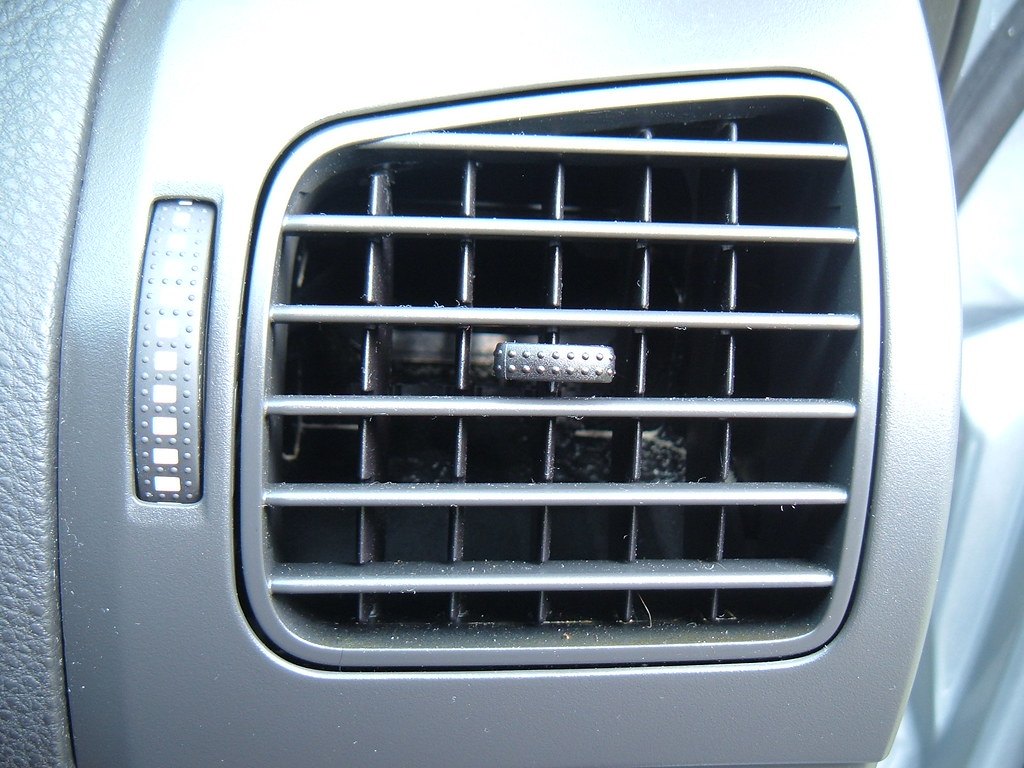
When you switch the engine off, the coil stays wet in the dark. Dust caught on the fins feeds mold and bacteria, and the next time the fan starts, it pushes their smell and spores straight into the cabin. Mechanics call this dirty sock syndrome.
At home, mold in air vents can come from anywhere along a long run of ductwork. A car's system is short, so the evaporator and the cabin air filter in front of it are the usual sources.
How to clean mold from car AC
A can of evaporator foam cleaner and a new cabin air filter handle most car AC mold without taking the dashboard apart. A warm, dry day with the doors open makes the job easier.
- 1Check the drain. Run the AC for ten minutes and look under the car, usually near the front passenger footwell. A steady drip means the drain works. No drip and a wet passenger carpet means it is blocked, and a pipe cleaner or thin flexible wire pushed gently up the tube clears leaves and sludge.
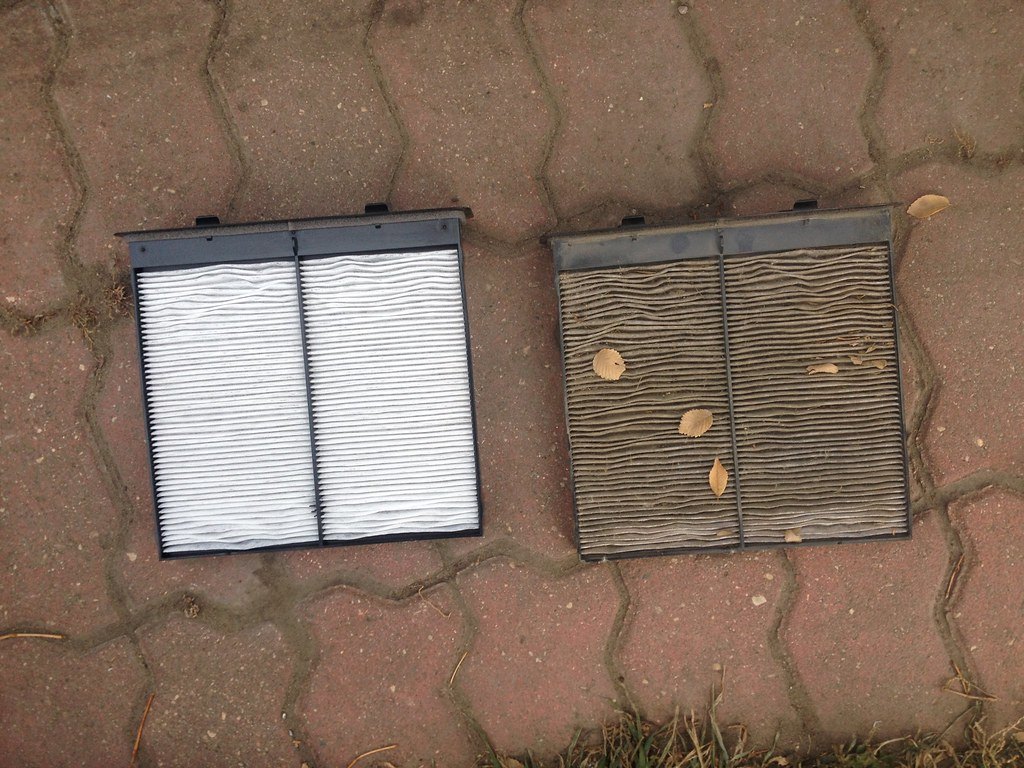
- 2Take out the cabin air filter. Most sit behind the glove box. A grey, musty filter has been holding spores and moisture, so it goes in the bin.
- 3Foam the evaporator. Most evaporator foam cleaners come with a long thin hose that feeds up the drain tube or through the filter opening. The foam expands over the coil, sits for the time on the can, then drains out under the car as liquid.
- 4Treat the air intake. Start the engine, set the fan to high, switch the AC off and select fresh air. Then spray an AC disinfectant into the intake vents at the base of the windshield. Keeping the windows open lets the fumes clear.
- 5Fit a new filter. A cabin filter with activated carbon traps odours as well as spores.
- 6Air the system out. Running the fan on high with the windows down for ten minutes pushes out any leftover cleaner.
Keeping the car AC dry
Switching the AC off a few minutes before you arrive, while leaving the fan running, dries the coil before the car sits. Consumer Reports recommends the same habit. Some manufacturers offer an afterblow setting that runs the fan briefly after the engine is off.
Recirculation keeps cycling the same humid cabin air, so using fresh air more often on muggy days helps the system stay dry. The owner's manual gives the cabin filter interval, and once a year is common.
When the AC needs a mechanic
A smell that returns within a few weeks of a foam treatment usually means heavy growth inside the evaporator case. Some shops clean the coil through the blower opening with a camera and a spray wand, which costs far less than removing the dashboard.
Water on the passenger floor only when the AC runs points to a blocked drain or a cracked evaporator case. A sweet smell, a greasy film on the inside of the windshield and damp carpet together point to a leaking heater core. That leak is coolant rather than water, so it needs a repair shop, and the soaked carpet and padding need replacing.
Mold in car carpet
Water that gets into a car ends up on the floor, which makes the carpet the other place mold settles.
Car carpet is molded to the shape of the floor and laid over padding, often jute or foam, with a layer of sound deadening beneath. All of it sits on a metal floor pan. When water gets underneath, the top fibres dry in a day of sunshine while the padding holds water against the metal for weeks.
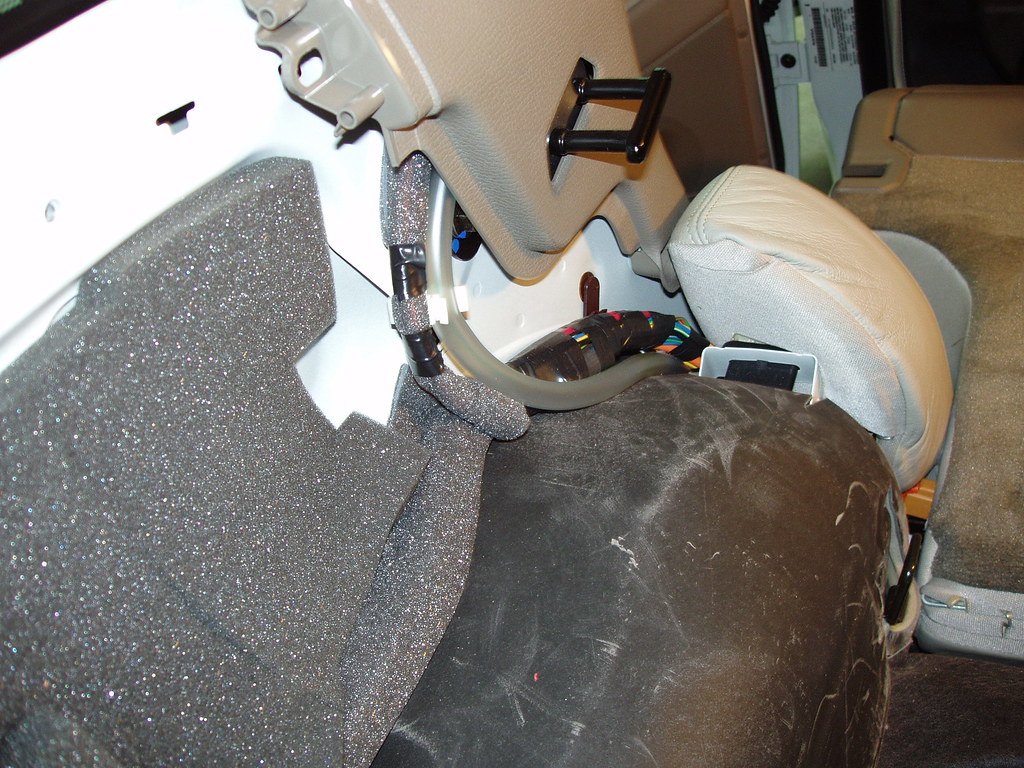
That is why moldy car carpet so often smells fine after a shampoo, then turns musty again by the weekend. The approach differs from mold in carpet in a house, where the floor below can absorb or release some of the damp. In a car, nothing below the padding lets the moisture out.
Where the water is coming from
The position of the damp patch usually points to the leak, which saves hours of guessing.
The evaporator drain is blocked, and the condensate is overflowing inside the car.
Leaves in the cowl drains at the base of the windshield let rainwater back up into the air intake. A failed windshield seal causes the same pattern.
The sunroof drain tubes at each corner are blocked or have come loose, and water runs down inside the pillars to the floor.
The plastic vapor barrier behind the door panel has torn or come unstuck, or the drain holes along the bottom of the door are clogged.
Tail light gaskets and the trunk or hatch seal let water in, and it pools in the spare wheel well, out of sight.
How to get mold out of car carpet
This works for mold on the carpet surface and for padding that has been wet for a short time. The leak needs fixing before the carpet goes back down.
- 1Set up outdoors. Work on a dry day with every door open. Gloves, goggles and an N95 mask keep spores out of your lungs and eyes.
- 2Remove mats and loose items. Floor mats get cleaned separately, and anything in the car with visible growth comes out.
- 3Vacuum slowly. A wet/dry vacuum, ideally with a HEPA filter, pulls up loose spores and standing water. Empty it outdoors afterwards.
- 4Check the padding. Lift the carpet edge at the door sill, where the trim usually pops off with clips. Padding that is wet, stained or smells musty means the carpet needs lifting further, which often means unbolting the seats.
- 5Apply a cleaner. Spray undiluted white vinegar and leave it for an hour, or use 3% hydrogen peroxide for 10 to 15 minutes after testing a hidden spot. Scrub it in with a stiff brush.
- 6Rinse and extract. A little clean water followed by the wet/dry vacuum lifts the dead growth and cleaner out of the fibres. Soaking the carpet again undoes the work.
- 7Dry it completely. Doors open in the sun with fans blowing across the floor, or a small dehumidifier running inside the closed car overnight. Carpet and padding usually need one to three days.
- 8Deodorise last. Baking soda worked into the dry carpet and vacuumed up the next day absorbs leftover odour.
Floor mats and the trunk
Rubber mats scrub clean with hot soapy water and dry in an hour in the sun. Carpet mats take the same vinegar treatment as the floor. Mats with growth through the rubber backing cost little to replace.
In the trunk, lifting the liner and the spare wheel cover shows whether water has pooled underneath. Sponging the well dry, cleaning it with vinegar and leaving the trunk open in dry weather clears most trunk mold.
Mold on car seats, seat belts and the headliner
Once the carpet and cabin air are damp, the softer surfaces nearby pick up growth too.

The foam under the fabric absorbs spills and sweat, so mold in car seats often starts from below. A HEPA vacuum first, then a light mist of vinegar or peroxide worked in with a soft brush, then extraction and a long dry with the doors open. Growth that keeps returning through the fabric means the foam is wet, and an upholstery shop can replace it.
Surface mold on leather wipes away with a leather cleaner. A cloth dampened with equal parts isopropyl alcohol and water kills what remains. Alcohol dries leather, so a conditioner afterwards keeps it from cracking.
The dashboard, door cards and console clean with vinegar or an interior cleaner on a microfiber cloth. A soft toothbrush reaches seams and vents.
Pulling the belt all the way out and clamping it near the top keeps it from retracting. Mild soap with a splash of vinegar and a soft brush cleans the webbing. It needs to dry fully extended, since webbing rolled up damp grows mold again on the reel.
The fabric is glued to a foam backing, and soaking it loosens the glue until the roof lining sags. A light mist and gentle dabbing with a microfiber cloth works better than scrubbing.
Car mold removal products: what works inside a car
A car interior is small and closed, so the right cleaner kills mold without filling the cabin with fumes or bleaching the upholstery.
Undiluted white vinegar, left for an hour, handles mold on carpet, fabric seats and plastic. The smell fades as it dries. The same cleaners used for natural black mold removal at home, including hydrogen peroxide and tea tree oil, work in a car too.
Faster than vinegar at 10 to 15 minutes, and it breaks down into water and oxygen. It can lighten dark fabric, so a hidden test spot comes first.
Diluted half and half with water, it suits leather, vinyl and hard trim. It evaporates quickly, so it leaves no damp behind.
Many products sold as a car mold removal spray lift stains and odour without any registered claim to kill mold. The EPA registration number that separates a real mold killer from a stain remover among black mold removal sprays applies to car products too. Concrobium's label permits fabric and upholstery, and it dries to a film without odour or bleach, which suits a cabin.
Bleach whitens carpet and seat fabric on contact, and its chlorine fumes build up fast in a closed car. It also corrodes bare metal, including the floor pan under the carpet.
These break down the organic residue that holds odour. They work well after the mold is cleaned and the car is dry, rather than as the mold killer itself.
Many detailers offer ozone treatment for car mold. The EPA notes that even high ozone concentrations may have no effect on contaminants embedded in porous material, and that ozone damages rubber and electrical wire coatings. It can help with a lingering smell after cleaning and drying. The car needs a long airing out afterwards before anyone drives it.
Professional car mold removal and what it costs
A detailer or trim shop suits a car that sat in floodwater, padding that stayed soaked for more than a few days, or growth inside seat foam. The same goes for a smell that returns after two rounds of cleaning, or a car driven daily by someone with asthma or mold sensitivity.
Detailers handle car mold remediation much as black mold removal works in a house. The contaminated material comes out, whatever stays gets cleaned and dried, and the water source gets fixed.
Chemical clean and extraction on light growth
Pulling the carpet or replacing padding and seat foam
Ozone treatment, often added on
Car detailing mold removal commonly runs $100 to $300 for a chemical clean and extraction on light growth. Jobs that involve pulling the carpet or replacing padding and seat foam can reach several hundred to a few thousand dollars. The car and how far the mold spread set the price. Ozone treatment is often added for $100 to $200.
Evaporator work adds to that when the dashboard has to come out. Asking whether the shop cleans the coil through the blower opening first can save a lot.
Keeping mold out of your car
Once a car is clean and dry, keeping water out and air moving holds it that way.
- Shaking out and drying floor mats after rain or snow stops water reaching the carpet. Clearing the cowl and sunroof drains each autumn, when leaves fall, prevents the leaks that soak the front footwells.
- Letting the fan run for a few minutes after switching off the AC keeps the evaporator dry. A fresh cabin air filter on schedule stops spores building up in front of it.
- Wet gym clothes, towels and umbrellas do the most damage when left overnight. On dry, sunny days, cracking the windows a little lets humid air escape. In damp climates, or in a car stored for months, silica gel moisture absorbers under the seats keep the cabin air drier.
- A quick press of the carpet at the door sills after a car wash or a heavy storm catches a leak while it is still just water.
When the car is making you feel unwell
The damp in a car also reaches the people riding in it. A car cabin holds only a few cubic metres of air, and the blower pushes it past the evaporator again and again. An hour's commute on recirculation means an hour of whatever that coil and carpet release.
Sneezing, sinus congestion, itchy eyes, a cough or headaches that start on the drive and ease soon after you get out point at the car. Cleaning the AC and drying the carpet usually settles them within days.
Symptoms that carry on after the car is clean, or that also appear at home, suggest the car is not the only source. A musty smell in the house is the next place to look.
The screening runs in your browser and takes about fifteen minutes from calibration to result.
Start the test nowFrequently asked questions
Is mold in a car dangerous?
It can be, mainly because the cabin is small and closed. Spores from the AC and carpet can trigger allergies, sinus trouble, headaches and asthma flare-ups. People with asthma, allergies or a weakened immune system react most.
Can mold in car AC make you sick?
Yes. The fan pushes air over the moldy evaporator and into the cabin every time it runs, so spores and odour reach you for the whole drive. Symptoms that ease soon after leaving the car point to the AC.
How do I get rid of mold in my car AC?
Clearing the drain tube and removing the cabin air filter come first. Foaming an evaporator cleaner through the drain or filter opening then handles most cases. An AC disinfectant sprayed into the windshield intake and a new carbon filter finish the job. Letting the fan run before switching off keeps it from returning.
What kills mold in car carpet?
Undiluted white vinegar left for an hour or 3% hydrogen peroxide left for 10 to 15 minutes. Both need extracting and a full drying afterwards. Mold in the padding underneath needs the carpet lifted, and soaked padding usually needs replacing.
Does vinegar kill mold in a car?
Undiluted white vinegar kills mold on carpet, fabric seats and plastic when it stays wet for about an hour. Watered-down vinegar is weaker. It reaches only as deep as it soaks, so it will not fix wet padding on its own.
Can you drive a car with mold in it?
You can, though the cabin air carries spores for as long as you drive. Windows down and the AC off reduce what you breathe until the car is cleaned. Anyone with asthma or mold sensitivity does better avoiding the car until then.
Does ozone kill mold in a car?
Ozone can reduce odour and surface growth in an empty, sealed car. The EPA notes it may not affect mold embedded in porous materials such as carpet padding and seat foam. It also damages rubber seals and wire coatings, so it works best after cleaning and drying.
Why does my car smell musty after rain?
Water is getting in. Blocked cowl drains, sunroof drain tubes, a torn door vapor barrier and worn seals are the usual causes. The smell comes from damp padding under the carpet, which stays wet long after the surface dries.
What is the best mold remover for a car interior?
Undiluted white vinegar suits most carpet, fabric and plastic. Hydrogen peroxide at 3% works faster where a test spot shows no fading. For a ready-made product, an EPA-registered option whose label permits fabric, such as Concrobium, kills mold without bleach or strong fumes. Bleach is the one to avoid inside a car.
How much does car mold removal cost?
A detailer typically charges $100 to $300 for light growth. Carpet removal, padding replacement or seat foam work can reach several hundred to a few thousand dollars. Doing it yourself usually costs well under $100 for vinegar, peroxide, foam cleaner and a new filter.
Will mold in a car come back?
It comes back if the water source stays. A fixed leak, a dry carpet and padding, a clean evaporator and a fan-run habit before parking keep it from returning in most cars.