Mold Detox Protocol: What to Take, in What Order, and for How Long
A mold detox protocol has four jobs: end the exposure, get your bowels moving, add a binder, and support the liver chemistry that turns mycotoxins into something you can excrete.
Most mycotoxins leave your body within hours or days once you stop breathing them in. Ochratoxin A does not. It clings to a protein in your blood and cycles between your liver and your gut over and over, which stretches its half-life to roughly 35 days. Breaking that loop is what a binder does. It also explains why a binder achieves little during ongoing exposure, and why the whole protocol stalls without a daily bowel movement.
Note: Mold and mould are the same thing, spelled differently on either side of the Atlantic, so a mould detox protocol and a mold detox protocol mean the same thing. This article uses the American spelling.
Everything downstream assumes nothing new is arriving. Once the input stops, the rest of the protocol reduces a fixed quantity instead of chasing a moving one.
A binder needs somewhere to deliver. One to three formed bowel movements a day turns a binder from a good idea into an actual exit.
This is what breaks the loop that keeps ochratoxin A cycling between liver and gut for weeks. Chosen by what your urine panel shows.
Glutathione and anything else that mobilizes comes last, once a binder is waiting downstream to catch what it releases.
What your body is already doing
Mycotoxins dissolve in fat rather than water, which would make them hard to get rid of if your liver were not built for exactly this problem. It runs them through a set of reactions called phase II, mainly glucuronidation and glutathione conjugation, attaching molecules that make them water-soluble enough to leave in urine or in bile. Everything in a good protocol is designed to help that existing machinery run faster and with less resistance.
Bile is where the process could use a hand. Whatever your liver sends out in bile arrives in your intestine, and from there it either leaves in stool or gets absorbed back into circulation for another lap. That round trip, called enterohepatic recirculation, is why ochratoxin A hangs around for weeks when other mycotoxins are long gone. Put a binder in the gut and the compound has something to hold onto, so it leaves with the stool instead of returning to the liver.
How quickly all this happens varies from person to person, which explains a lot about why you feel unwell in a building where nobody else seems bothered. The symptoms of mold toxicity cluster the same way for the same reason. People carrying GSTM1 or GSTT1 null genotypes conjugate more slowly, and roughly a quarter of the population carries HLA-DR types associated with poor biotoxin clearance. Being in that group means the protocol has to do some of the work a faster metabolism would have done unprompted, which is very much a solvable problem.
Why the order makes the difference
Each step clears the way for the next, which is why the sequence pays off so much more than the individual pieces.
Getting out of the exposure comes first because it changes the arithmetic. Every study and clinical result showing that binders help assumes the person has stopped breathing in more. Once the input stops, everything else you do gets to reduce a fixed quantity rather than chase a moving one.
Bowel regularity comes next because a binder needs somewhere to deliver. Hold mycotoxins in the intestine for a day and they leave with the stool; hold them for three and the compounds come loose and go back into circulation. Reaching a daily bowel movement first turns a binder from a good idea into an actual exit. That is the whole meaning of the phrase you will see everywhere in this field, opening drainage pathways.
Mobilizing comes last, and knowing why in advance saves people a rough week. Glutathione, sauna and vigorous liver support all increase the amount of mycotoxin moving into circulation and bile. With a binder in place and your gut moving, that extra flow leaves the body and you feel the benefit. Build the first three steps properly and the fourth becomes the one where things noticeably lift.
Step one: get out of the exposure
Finding the source usually takes testing rather than looking, since the buildings that make people sickest are often the ones with nothing visible to find. Settled dust is the better place to look, because air sampling captures a single moment while dust holds a record of what the building has accumulated. ERMI and HERTSMI-2 both analyse it. HERTSMI-2 is the cheaper and simpler of the two, built to answer one question directly: is this building safe for someone who is already ill.
When you find growth, how it comes out matters more than what it is treated with. Porous materials that stayed wet beyond about 48 hours are best removed rather than cleaned. Containment during the work keeps spores from travelling into the rest of the house, and fixing the water source is what makes the result permanent. Our guide to black mold remediation walks through the process.
Staying elsewhere while the work happens is worth arranging if you are significantly unwell, since remediation stirs things up before it settles them. Time away gives you information as well as relief. Feeling clearly better after a week or two somewhere else, then sliding backwards within days of coming home, tells you a great deal. Taking a free VCS test before you leave and again after a fortnight away puts a number on that shift, and for many people it is the first solid confirmation they have had.
For growth small enough to clean yourself, a 2% tea tree oil spray is the natural option with a head-to-head lab result behind it, and it suits tile, grout and sealant well. It will not reach growth rooted inside plasterboard or insulation, which is the point at which removal is the answer.
Bring as little as possible with you. Soft furnishings, papers and books that sat in a contaminated space can carry enough to keep a clean home from feeling clean. Leaving the most porous items behind for now saves repeating the exercise later.
Start your testStep two: get things moving
Aim for one to three formed bowel movements a day before you start a binder. Reaching that first is the single change that makes the rest of the protocol comfortable. Bound mycotoxin that sits in the colon comes loose again, while bound mycotoxin that leaves on schedule is gone for good.
Magnesium citrate or magnesium oxide is the usual starting point, since it draws water into the bowel and is gentle enough to adjust day to day. Drinking properly matters alongside it, as binders soak up a surprising amount of water and even mild dehydration will undo the effect. Soluble fibre suits some people beautifully and bloats others, so add it slowly and keep it if it agrees with you.
Supporting bile flow helps from the other end. Bile is the delivery route carrying conjugated mycotoxins into your intestine, so keeping it moving means less backing up in the liver. Bitter foods before meals, taurine and ox bile are what practitioners reach for here, and plenty of people notice their digestion improving generally once bile flow picks up.
Sorting this out before binders start spares you the most common source of misery on these protocols, since binders cause constipation in their own right. Someone already going every second or third day who starts cholestyramine ends up holding a large quantity of bound mycotoxin in a colon that is not moving. A week or two of preparation prevents it.
Step three: binders, and picking the right one
Binders do the heaviest lifting in a mold detox protocol, and choosing one that suits both your mycotoxins and your life matters more than taking several at once.
| Binder | Binds best | Access | Notes |
|---|---|---|---|
| Cholestyramine | Ochratoxin A, around 96% bound in laboratory testing. Also fumonisins and zearalenone. | Prescription | Strongest data. Mix into something thick and build over a fortnight. |
| Colesevelam (Welchol) | Same class, gentler on the stomach. | Prescription | The choice when cholestyramine proves too much. Tolerated means taken. |
| Activated charcoal | The widest range of mycotoxins available without a prescription. | Over the counter | Coconut shell, in capsules. 500 to 1,000 mg once or twice daily on an empty stomach. |
| Calcium montmorillonite clay | Aflatoxins, with the best human trial evidence of any binder here. | Over the counter | The gentlest option. Choose a purified product tested for heavy metals. |
Cholestyramine has the strongest data behind it for ochratoxin A, with roughly 96% bound to the resin in laboratory testing and animal work confirming the recirculation loop genuinely gets interrupted. It handles fumonisins and zearalenone as well. Getting it means a prescription, and biotoxin protocols use it toward the top of its licensed dose range, so it suits people working with a clinician who knows the territory. Mixing it into something thick like apple sauce makes the taste manageable. Starting low and building over a fortnight makes a real difference to how well people get on with it.
Colesevelam, sold as Welchol, is the choice when cholestyramine proves too much. Because it comes as a tablet and sits far more easily on the stomach, people stay on it. A moderately effective binder taken faithfully for six months achieves more than a stronger one abandoned in week three.
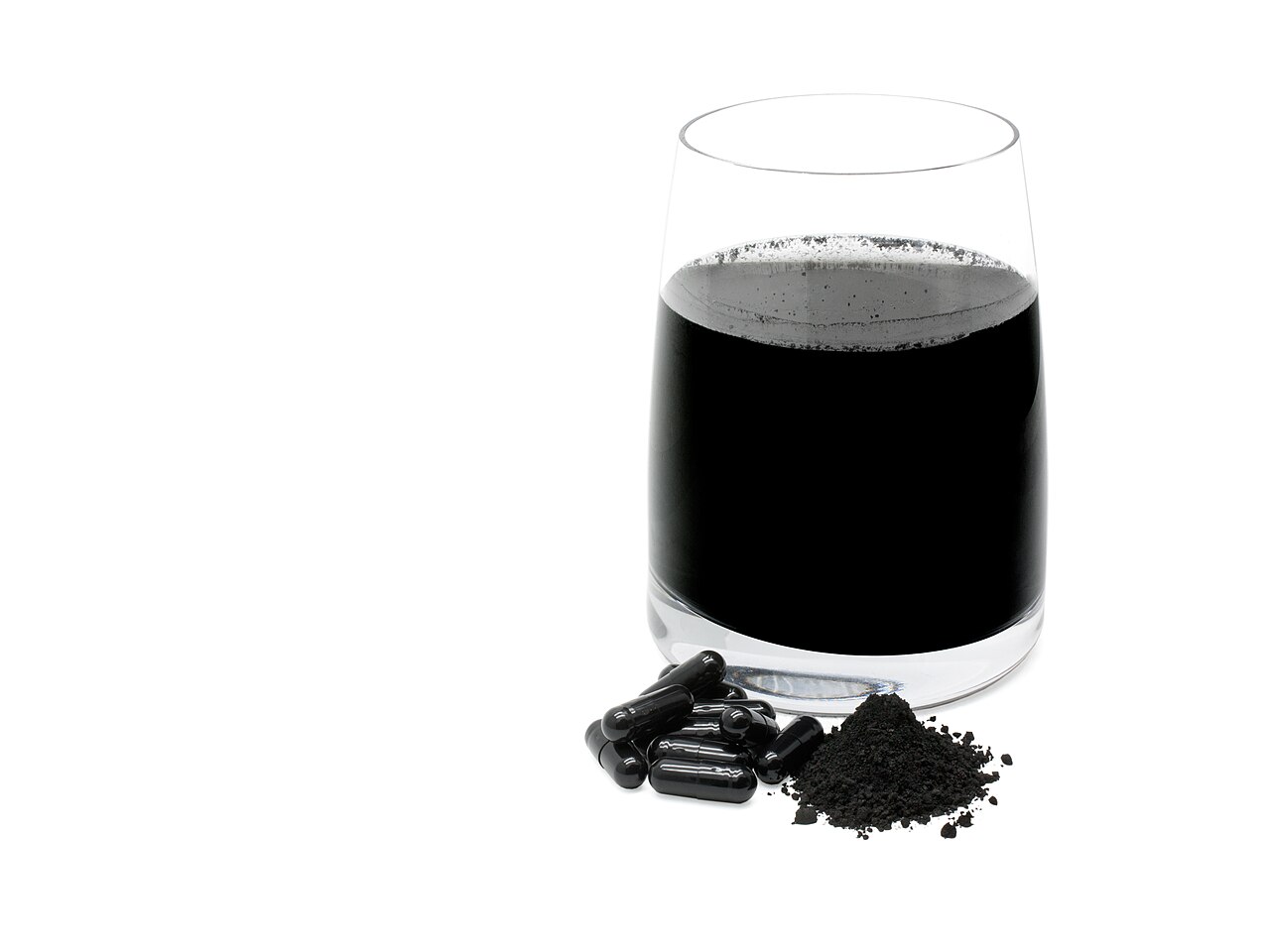
Activated charcoal covers the widest range of mycotoxins of anything available without a prescription, which makes it the practical entry point for people doing this independently. Look for coconut shell charcoal, which is finer and more porous than the wood-based kind, and capsules rather than loose powder if you would like to keep your teeth and worktops their original colour. Typical supplement doses run 500 to 1,000 mg once or twice a day on an empty stomach, and building up over a week or two lets your gut adjust. Using activated charcoal for mold detox works best when you respect its one drawback: it binds minerals and medications with the same enthusiasm, so spacing it properly is all it takes to keep that from mattering.
Calcium montmorillonite clay carries the best human trial evidence of any binder here. In a placebo-controlled trial of 200 Ghanaian children aged two to nine, 1.5 grams daily for 60 days cut urinary aflatoxin M1 by around 60% while the placebo group's levels climbed, and related work found the same pattern with fumonisin B1. Choose a purified product from a supplier who tests for heavy metals and it becomes one of the gentlest options on this list.
Chlorella and zeolite appear in most commercial protocols, backed mostly by laboratory and animal work. They earn their place as additions alongside one of the four above.
Whichever you choose, take it away from food, medication and supplements, allowing 30 to 60 minutes before eating and several hours either side of anything else. Over several months, a bile acid sequestrant gradually reduces vitamins A, D, E and K. Pairing it with a supplement and an occasional blood test keeps that simple.
A mycotoxin urine test turns this choice from a guess into a decision, since an ochratoxin-dominant result points to cholestyramine while an aflatoxin-dominant one points to clay. Without one, broad-spectrum charcoal is a sound default.
Step four: glutathione, once binders are steady
Glutathione conjugation is one of the two main routes your liver uses on mycotoxins, and researchers have identified glutathione conjugates of deoxynivalenol directly, so this is well-established chemistry.
NAC is the accessible way in. It supplies cysteine, the ingredient your body runs short of first when making glutathione, then lets your own enzymes do the rest. It costs very little, most people tolerate it easily, and it suits the long courses this work involves. Those carrying GSTM1 or GSTT1 null genotypes have less conjugation capacity to work with. They are the group most often argued to do better on the finished product than the precursor.
Liposomal glutathione is the more direct route, and it is what most people mean by glutathione for mold detox. One recent study reported around 1.9 times the cellular uptake and roughly six times the peak blood level of plain glutathione. How completely that translates into delivery inside cells is still being worked out, so it sits as the stronger option rather than the settled one. Intravenous glutathione removes the absorption question altogether for anyone with access to it.
Timing is what makes this step feel good rather than rough. Glutathione support increases the flow of conjugated compounds into bile and onward into your gut, which is exactly what you want once a binder is waiting there to catch them. Protocols generally wait two to four weeks after binders are established, then start low and build, and this is the stage where people most often describe the fog beginning to lift.
Mold detox supplements: the short list
Here is the same protocol as a shopping list, with the job each item does and the point at which to add it. Buying in this order costs less and works better than buying everything at once.
Magnesium citrate to establish daily bowel movements, with enough water alongside it to matter. Add bitter herbs, taurine or ox bile if your digestion is sluggish or your gallbladder has been removed. These are the cheapest items on the list and they decide how comfortable everything after them feels.
One of cholestyramine, colesevelam, activated charcoal or calcium montmorillonite clay, chosen by what your urine panel shows. Charcoal is the usual self-directed starting point, clay the gentlest, cholestyramine the strongest for ochratoxin A.
NAC at the usual supplement range of 600 to 1,200 mg daily, or liposomal glutathione if you want the more direct route. Milk thistle sits comfortably alongside either and is inexpensive.
A fat-soluble vitamin supplement covering A, D, E and K if you will be on a bile acid sequestrant for several months, plus a probiotic to help the gut recover. Both are maintenance rather than treatment, and both are easy to forget.
Anything sold as a mold cleanse promising results in a week, and any product combining a binder and a mobilizer in one capsule, since that removes your ability to control the pace. Pacing is the part you most want to keep hold of.
Eating in a way that helps
Food is a second source of mycotoxins, and it is the one people overlook while spending months on the building. Coffee, corn, peanuts, dried fruit, grains and certain cheeses all carry measurable loads, with ochratoxin A particularly common in coffee and cereals. Easing off here stops you topping up the compound with the longest half-life of the group, and it is a change you can make this afternoon for nothing.
The eating pattern that supports recovery is otherwise fairly ordinary. Enough protein gives your liver the amino acids that phase II reactions actually consume. Cruciferous vegetables support the same pathways, bitter greens help bile flow, and keeping sugar moderate steadies the inflammatory picture. None of it is exotic, and all of it compounds over months.
Keep the changes sustainable, because this runs for a while and being underfed slows recovery. Trimming the high-mycotoxin foods while keeping your protein up gives you most of what an elaborate elimination diet offers. It is also far easier to maintain through a period when cooking already feels like a lot.
Sauna and sweating
Sauna is one of the more enjoyable parts of this, and there is a mechanism behind it. Ochratoxin A has been detected in human sweat, so sweating is a genuine route out. How much it contributes next to the bile route is still being quantified, which makes it a strong addition rather than the centrepiece.
The benefits you can count on are the everyday ones. Sauna improves circulation and sleep, both usually in short supply during recovery, and having something restorative in a process that asks a lot of you has its own value.
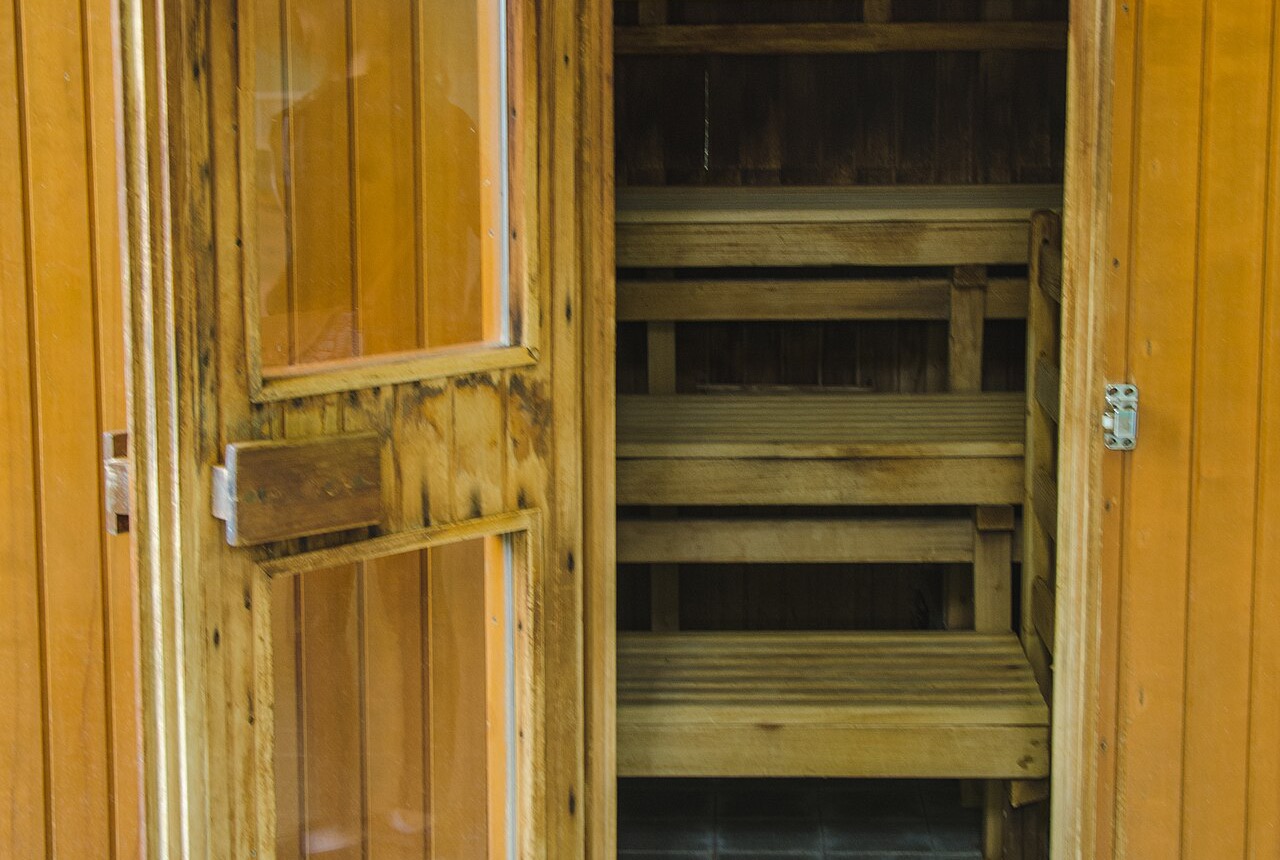
Place it after binders rather than before, since sweating mobilizes for the same reason glutathione does and elimination goes better with something waiting downstream. If you have low blood pressure or dysautonomia, both common in this group, start with shorter sessions at lower temperatures and build as your tolerance improves.
The Shoemaker Protocol
Dr Ritchie Shoemaker's protocol is the most formalised treatment sequence in this area, and its ordering rules are worth knowing even if you never follow the whole thing.
It runs to twelve steps in a fixed sequence. Getting out of the exposure comes first, then cholestyramine or Welchol to bring down the toxin load you are carrying. Third is clearing MARCoNS, a resistant staph colonisation deep in the nasal passages, usually with BEG spray, which pairs two antibiotics with EDTA to break up biofilm. Gluten elimination follows where it applies, then the middle stretch corrects lab abnormalities one at a time, working through antidiuretic hormone and osmolality, MMP-9, VEGF, C3a, C4a and TGF-beta1. VIP replacement comes last, and it is the step people describe as the one that finally restores normal function.
That order exists because VIP only works once you are out of the exposure, MARCoNS has been cleared and your visual contrast sensitivity has normalised. Each step builds on ground the previous one prepared, which is the same principle at work in the simpler version above.
Expect six to twelve months, with most people finishing between six and nine, working alongside a clinician trained in the protocol. The first two steps carry most of the benefit and neither requires a specialist, so a great deal is available even without access to the full programme.
How long a mold detox takes
After a short exposure with no chronic inflammatory response, this resolves quickly. Your liver clears most mycotoxins within hours to days once nothing new is arriving, ochratoxin A takes a few weeks longer, and a binder shortens even that. Days to a few weeks is the usual picture.
Where chronic inflammation has taken hold, plan in months and expect the first encouraging signs well before the finish. Visual contrast sensitivity often improves within about two weeks of starting a binder that is doing its job. That gives you measurable confirmation you are on the right track, long before you feel like yourself again. Symptoms lag behind that measurement, and most full protocols are built around six to twelve months.
Protecting progress matters as much as making it, since contrast sensitivity typically drops within three to five days of walking back into a contaminated building. Testing a property properly before committing to it is what keeps months of work intact.
The screening runs in your browser and takes about fifteen minutes from calibration to result.
Start the test nowIf you feel worse before you feel better
A short dip early on is common and usually means things are moving. A genuine Herxheimer reaction follows a specific new addition closely in time. It shows up as fatigue, headache, aching and brain fog rather than anything sharp, and passes within hours to a couple of days. Riding that out is reasonable.
When symptoms keep building instead of settling, you are usually mobilizing faster than you are clearing. That tends to follow adding glutathione or sauna, or raising a binder dose, at a point when bowel movements have slowed. Easing back on whatever is pushing and restoring daily regularity settles it within a few days, and you can rebuild more gradually from there with better results.
Symptoms that track the building rather than your protocol point somewhere else entirely. Improving when you are away and sliding when you return is about the environment, and no supplement schedule will resolve it.
Fever, confusion, dehydration, ongoing vomiting or uncontrolled diarrhoea sit outside all three of these, and they are worth a call to your doctor rather than persistence.
What to skip
Saving your money and energy for what works means recognising a few things that do not.
Chlorine dioxide, marketed as MMS, is industrial bleach, and regulators have issued repeated warnings after cases of severe vomiting, dehydration and dangerously low blood pressure. Coffee enemas have caused deaths through electrolyte collapse, colitis and perforation. Neither has any mechanism for clearing mycotoxins.
Chelators such as DMSA and EDTA are designed for heavy metals and do not bind mycotoxins, so they add risk without adding benefit here.
Starting six things in one week makes it impossible to tell what helped. Introducing them one at a time over a couple of months gives you far more information for the same money.
Buying a full supplement stack before dealing with the building is the expensive version of the same mistake, since the binder spends its time clearing a dose you keep replacing.
How to know it is working
Visual contrast sensitivity is the most practical thing to track. It responds within about two weeks to treatment that is working, drops within days of re-exposure, and costs nothing to repeat. Testing weekly early on and stretching the interval as progress holds gives you a clear picture, and you can take the free VCS test as often as you like.
A written symptom score at the same intervals catches gradual changes that daily life smooths over. That matters most with brain fog, which is almost impossible to judge from the inside. The symptom clusters linked to mold toxicity give you a consistent list to score against, and comparing month three with month one is often more encouraging than people expect.
Save repeat urine mycotoxin panels for three to six months in, when they answer a clear question. Levels commonly rise in early treatment as stored compounds mobilise, which is a sign of movement rather than a setback. Our comparison of the VCS test and mycotoxin panels covers what each one tells you, and the test interpreter reads results from either alongside blood markers and building tests.
Retest the building as well. HERTSMI-2 on settled dust after remediation confirms the place will support your recovery, which is what lets you stop wondering and get on with living there.
Common questions
How do you detox from mold?
Get away from the exposure, get your bowels moving daily, then add a binder to break the gut recirculation loop. Glutathione and anything else that mobilizes comes after that. Following the order is what makes the protocol comfortable and effective rather than exhausting.
What is the best binder for mold detox?
Cholestyramine has the strongest data for ochratoxin A at around 96% binding in laboratory testing. Calcium montmorillonite clay has the best human trial evidence overall and is the gentlest option. Activated charcoal covers the widest range and needs no prescription. A urine panel tells you which one your situation calls for.
How long does it take to detox from mold?
Days to a few weeks after a short exposure with no chronic inflammation. Where chronic inflammation has established, plan for six to twelve months, with contrast sensitivity often improving within about two weeks of starting an effective binder.
Can your body detox from mold on its own?
For most mycotoxins, yes, within hours to days of the exposure ending. Ochratoxin A takes roughly 35 days because protein binding and the bile-to-gut loop keep returning it to circulation, and a binder is what shortens that.
What are mold detox symptoms?
Fatigue, headache, aching and brain fog in the first days after adding something new, usually fading within hours to a couple of days. Symptoms that keep building instead mean you are mobilizing faster than you are clearing, which eases quickly once you slow the pace and restore daily bowel movements.
Do you need a prescription for a mold detox protocol?
For cholestyramine, Welchol and BEG spray, yes, along with the lab markers the Shoemaker Protocol runs on. Leaving the exposure, bowel support, charcoal, clay, NAC and dietary changes need no prescription, and those cover the two steps that do most of the work.
Does a mold detox diet work?
It cuts dietary mycotoxin intake, which matters most for ochratoxin A in coffee and grains, and it supports the liver pathways doing the clearing. A short list focused on the high-mycotoxin foods, with protein kept up, gives you most of the benefit of an elaborate elimination diet and is far easier to sustain.
Can you detox from mold while still living in a moldy house?
A binder will lower what is circulating. Every night in the building adds a fresh dose though, so progress tends to be partial. If you are significantly unwell, staying elsewhere during remediation is what lets the rest of the protocol work properly.
Do you need glutathione for mold detox?
Not at the start. It matters, and it is worth adding once binders and daily bowel movements are established, which is when people most often describe clarity returning. NAC is the affordable precursor route, while direct or liposomal glutathione suits those with GSTM1 or GSTT1 null genotypes.
What are the best supplements for mold detox?
Magnesium first, to get bowel movements daily. Then a binder, choosing between activated charcoal, calcium montmorillonite clay, cholestyramine and colesevelam according to your mycotoxin panel. Then NAC or liposomal glutathione from around week four, with fat-soluble vitamins alongside any long course of a bile acid sequestrant. Supplements for mold exposure work best added one at a time, in that sequence.
Does activated charcoal work for mold detox?
Charcoal binds the widest range of mycotoxins of anything sold without a prescription, which is why activated charcoal for mold detox is where so many people start. Coconut shell charcoal in capsules is the easiest form to live with, at 500 to 1,000 mg once or twice daily on an empty stomach. Keep it several hours away from medications and minerals, since it binds those just as readily.
Is there such a thing as a natural mold detox?
Leaving the exposure, daily bowel movements, clay or charcoal, NAC, sauna and a lower-mycotoxin diet make up a complete protocol with nothing prescribed in it, and that covers a great deal of ground. Prescription binders are stronger for ochratoxin A, so the natural route asks for more patience rather than delivering less.
What does a mold detox protocol cost?
Charcoal and clay run to a few dollars a month, NAC is inexpensive, and generic cholestyramine is cheap with insurance. The larger costs sit in building testing, remediation, and mycotoxin panels at a few hundred dollars each. Contrast sensitivity screening is free and repeatable, which makes it the practical way to track progress between the expensive tests.